
Before Pet Anaesthesia: Confirm Fasting and Medicines
On this page
Quick answer
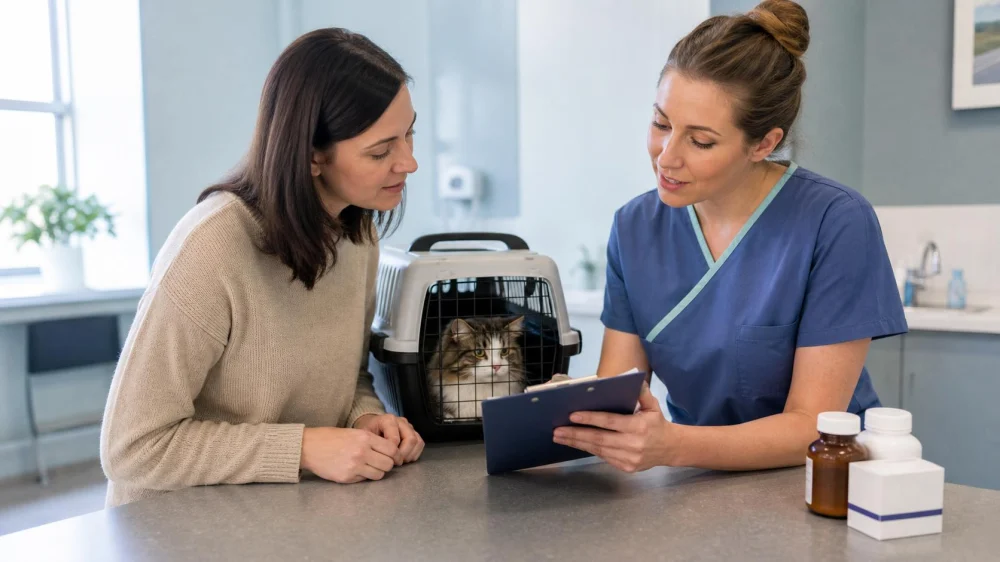
Before a pet's anaesthetic or sedation, follow the veterinary practice's exact instructions for food, water, medicines, arrival time, toileting, and transport. Do not apply a generic fasting rule: age, species, condition, procedure, and medication can change the plan. Tell the practice about any accidental food, vomiting, illness, or medicine error before arrival so the team can decide safely whether to proceed.
Why it matters
Pre-anaesthetic preparation is the veterinary plan used to reduce avoidable risk and ensure the team has current health, medication, consent, and recovery information before sedation or general anaesthesia.
This UK guide supports communication and logistics, not medical instructions for a specific animal. Rabbits and some other species must not be fasted like dogs or cats. Always use the treating practice's written directions.

Wicstun Veterinary Group
South CaveEast Riding of YorkshireEngland
50 Market Pl, South Cave, Brough HU15 2AT, UK
Practical checklist
- Confirm the exact procedure, planned admission window, expected discharge, and contact number.
- Write down the final allowed food and water times for this pet and identify who will control access.
- Ask which prescription, over-the-counter, flea, supplement, insulin, or other medicines to give, hold, or adjust.
- Report pregnancy possibility, recent illness, cough, vomiting, diarrhoea, appetite change, allergies, and prior anaesthetic reactions.
- Prevent access to other pets' bowls, treats, chews, scavenged food, and well-meant feeding by household members.
- Arrange secure transport and a responsible adult for admission, consent, updates, collection, and overnight observation.
- Prepare a warm quiet recovery area and follow-up contacts without buying unrequested equipment.
Step-by-step plan
- Get written individual instructions. Read them before the evening prior and call about anything ambiguous while the practice is open.
- Create one household plan. Label bowls, brief every caregiver, separate animals if needed, and record the last food, water, and medicines.
- Monitor before admission. Note breathing, appetite, toileting, mobility, and behaviour; a new illness may affect the anaesthetic decision.
- Tell the truth about deviations. If the pet ate or received the wrong medicine, call promptly. Hiding it prevents the team from managing risk.
- Transport safely. Use a secure carrier or restraint, keep the pet comfortable, and bring medicines or packaging requested by the practice.
- Complete consent and contact details. Ask what monitoring, pain relief, additional procedures, resuscitation discussions, and cost changes may arise.
- Follow discharge instructions. Record feeding, medication, wound, activity, temperature, and emergency guidance, and do not leave a recovering pet unsupervised unless advised.
Bring a current medication list with name, strength, dose, last time given, supplements, allergies, diagnoses, prior reactions, and the last food and water times. Note the best numbers for immediate decisions.
Limits and warning signs
Normal pre-operative tests reduce uncertainty but cannot remove all anaesthetic risk. Age alone does not determine eligibility, and a previous uneventful anaesthetic does not guarantee the next one. Sedation and general anaesthesia are not interchangeable.
Call the practice before travel for breathing change, collapse, repeated vomiting, severe diarrhoea, marked lethargy, seizure, injury, accidental feeding, or medicine error. After discharge, use the provided emergency pathway for breathing difficulty, unresponsiveness, uncontrolled bleeding, repeated vomiting, severe pain, or rapid deterioration.
Frequently asked questions
How long should my pet fast?
Only the treating practice can answer for this animal and procedure. Species, age, disease, and medicine matter.
Should rabbits be fasted?
Do not apply dog or cat rules to rabbits. Follow an experienced veterinary practice's species-specific instructions.
What if my pet ate by accident?
Call the practice and report what, how much, and when. The team will decide whether timing or the plan must change.
Can I give the usual morning medicine?
Ask about every medicine in advance. Some continue, some change, and others require special planning.
Sources and evidence
The article reflects common veterinary anaesthesia safety practice: individualise fasting and medication, disclose current illness and deviations, maintain secure transport, obtain informed consent, and provide monitored recovery and clear discharge advice.
Conclusion and next steps
Ask the practice for written instructions today, then put the last food, water, and medicine times on one household sheet. Remove accidental food access and report any deviation immediately. Accurate information is more valuable than trying to preserve the appointment at all costs.
 Jollyes Pet Clinic - Halifax0.0 (0 reviews)
 Westmorland Veterinary Group4.0 (168 reviews)
 Cavendish Cattery Boarding House4.0 (64 reviews)
 Kilwaughter Cattery5.0 (35 reviews)
 Simply Treats5.0 (1 reviews)
 The Charlesworth Veterinary Surgery4.0 (193 reviews)
 Vet-Approved Allergy Care for Guinea Pigs: Best Practices and Tips
 How to Improve Guinea Pigs Adoption Guide at Home: Expert Tips and Advice
 Best Practices for Seasonal Health Tips in Senior Pets
 Best Practices for Nutrition Tips in Cats
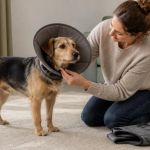 Pet Recovery Cone or Suit: Check Fit and Supervise
 Best Practices for Allergy Care in Guinea Pigs: Tips for a Healthy Pet