

Understanding the Most Frequent Health Challenges Cats Face
- 1-why-cat-health-awareness-matters
- 2-cat-dental-disease-causes-and-warning-signs
- 3-how-to-prevent-dental-problems-in-cats
- 4-cat-obesity-causes-and-health-risks
- 5-helping-an-overweight-cat-live-healthier
- 6-common-cat-skin-conditions-and-symptoms
- 7-ways-to-maintain-healthy-cat-skin-and-fur
- 8-recognizing-early-health-warning-signs
- 9-real-life-cat-health-story
- 10-building-a-healthier-life-for-your-cat
Why Cat Health Awareness Matters
Cats are known for being independent animals, often hiding discomfort until a problem becomes serious. This natural behavior makes it important for owners to understand common cat health problems and recognize changes before they develop into major concerns.
Many feline health issues can be managed more effectively when detected early. Dental disease, obesity, and skin conditions are among the most frequently seen problems affecting cats, and each one can influence a cat’s comfort, behavior, and overall quality of life.
A healthy cat is not only one that looks good on the outside. True wellness involves proper nutrition, regular veterinary care, mental stimulation, and daily habits that support physical health.

The Importance of Preventive Cat Care
Preventive care helps reduce the chance of serious health problems. Regular checkups, balanced meals, dental attention, and monitoring changes in behavior allow owners to take action before conditions become more difficult to manage.
Many cat owners discover that small daily routines, such as brushing their cat’s teeth or monitoring weight, can make a significant difference over time.

Vets for Pets - Gamston
West BridgfordNottinghamshireEngland
Gamston District Centre, Gamston District Centre, West Bridgford, Nottingham NG2 6PS, UK
Cat Dental Disease: Causes and Warning Signs
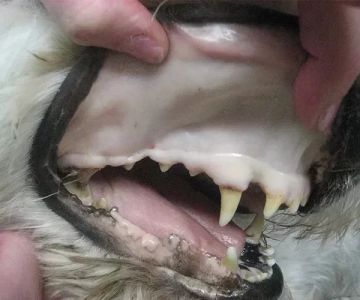
Cat dental disease is one of the most common health problems affecting adult cats. Like humans, cats can develop plaque, tartar buildup, gum inflammation, and painful dental conditions.
Because cats often hide pain, dental problems may go unnoticed until they become severe. A cat may continue eating even while experiencing discomfort, making regular observation especially important.
How Dental Disease Develops in Cats
Dental problems usually begin when bacteria accumulate on the teeth. Over time, this bacteria can form plaque, which hardens into tartar if not removed.
Advanced dental disease can affect the gums and surrounding tissues. In some cases, untreated oral infections may impact other areas of the body.
Common Signs of Dental Issues
Cat owners should watch for changes such as:
- Bad breath
- Difficulty chewing
- Dropping food while eating
- Reduced appetite
- Pawing at the mouth
- Red or swollen gums
- Changes in eating habits
A cat that suddenly becomes less interested in dry food or avoids chewing on one side of the mouth may be showing signs of dental discomfort.
How to Prevent Dental Problems in Cats
Preventing cat dental disease requires consistency. Many owners assume dental care is only necessary when problems appear, but early prevention is much more effective.
1. Regular Tooth Cleaning
Brushing a cat’s teeth with products designed specifically for pets can help reduce plaque buildup. Introducing dental care slowly allows cats to become comfortable with the routine.
Some cats may resist at first, but patience and positive reinforcement can make the process easier.
2. Dental Support Products
Dental treats, specially designed foods, and oral care products may provide additional support when combined with regular veterinary care.
RegPets offers resources and pet care solutions that help owners create healthier daily routines for their cats.
3. Veterinary Dental Examinations
Professional dental examinations allow veterinarians to identify problems that may not be visible during a normal home inspection.
Routine dental checks are especially valuable for older cats or cats with previous dental concerns.
Cat Obesity: Causes and Health Risks
Cat obesity has become an increasingly common concern among indoor cats. While a slightly heavier appearance may seem harmless, excess weight can significantly affect a cat’s health.
Obesity can contribute to reduced mobility, joint stress, diabetes risk, and lower overall quality of life.
Why Cats Gain Excess Weight
Several factors can contribute to feline obesity:
- Overfeeding
- Too many treats
- Lack of exercise
- Indoor lifestyle
- Improper portion sizes
- Age-related changes
Many owners unintentionally overfeed their cats because they interpret begging behavior as hunger. However, some cats simply enjoy food and attention.
Health Risks Linked to Obesity
Extra weight can increase the risk of several health complications. Overweight cats may experience difficulty jumping, grooming, and moving comfortably.
Obesity may also contribute to conditions such as:
- Joint problems
- Reduced activity levels
- Metabolic disorders
- Difficulty maintaining proper hygiene
Helping an Overweight Cat Live Healthier
Helping a cat lose weight requires a careful and gradual approach. Sudden food restrictions can be harmful, so weight management should focus on healthy lifestyle changes.
1. Creating a Balanced Feeding Plan
Portion control is one of the most effective ways to manage cat weight. Measuring meals instead of freely filling bowls can prevent accidental overfeeding.
A veterinarian can help determine an appropriate feeding plan based on a cat’s age, size, and health condition.
2. Encouraging Daily Exercise
Cats need physical activity to maintain healthy muscles and weight. Interactive toys, climbing structures, and play sessions can encourage movement.
Even short daily play sessions can improve a cat’s physical and mental health.
3. Tracking Health Improvements
Weight management is a long-term process. Regular monitoring helps owners understand whether lifestyle changes are working.
Small improvements, such as increased energy and better movement, are positive signs of progress.
Common Cat Skin Conditions and Symptoms
Skin conditions are another category of common cat health problems. A cat’s skin and coat can reveal important information about internal and external health.
Changes in fur quality, scratching behavior, or skin appearance should not be ignored.
Common Causes of Skin Issues
Cat skin conditions may result from:
- Fleas and parasites
- Allergies
- Environmental irritants
- Diet-related issues
- Fungal infections
- Stress-related behaviors
Signs Your Cat May Have a Skin Condition
Owners should pay attention to symptoms such as:
- Excessive scratching
- Hair loss
- Red skin
- Scabs or sores
- Dry or flaky skin
- Changes in grooming habits
Cats naturally groom themselves, so increased licking or scratching can be an important warning sign.
Ways to Maintain Healthy Cat Skin and Fur
1. Maintain a Grooming Routine
Regular brushing removes loose fur, reduces hairballs, and allows owners to notice skin changes early.
2. Support Skin Health Through Nutrition
A balanced diet containing appropriate nutrients supports healthy skin and a shiny coat.
Nutrition plays an important role in maintaining a cat’s overall wellness.
3. Prevent Parasites
Parasite prevention is essential for protecting cats from irritation and potential infections.
Regular preventive care can help reduce the risk of flea-related skin problems.
Recognizing Early Health Warning Signs
Cats often communicate health problems through subtle changes rather than obvious symptoms.
Changes in Behavior
A normally active cat that becomes withdrawn, hides more often, or loses interest in play may be experiencing discomfort.
Changes in Daily Habits
Changes in eating, drinking, grooming, or litter box behavior can provide important clues about health.
Observant owners are often able to identify problems early because they understand their cat’s normal personality.
Real-Life Cat Health Story
Many cat owners experience the importance of early detection firsthand. One cat owner noticed that her older cat, Luna, had started avoiding crunchy food and spending more time alone.
At first, the behavior seemed like normal aging. However, a veterinary examination revealed dental discomfort that required attention. After treatment and improved dental care, Luna became more active and returned to her normal habits.
This story highlights an important lesson: small changes in behavior can provide valuable health information.
Building a Healthier Life for Your Cat
Understanding common cat health problems such as dental disease, obesity, and skin conditions helps owners provide better care throughout their cat’s life.
Healthy habits do not need to be complicated. Regular veterinary visits, proper nutrition, dental care, exercise, and attention to changes in behavior can greatly improve a cat’s quality of life.
Every cat is different, and responsible care means learning what works best for your individual pet. By focusing on prevention and early awareness, owners can help their cats stay comfortable, active, and happy.
For cat owners looking for reliable pet care resources, wellness products, and solutions designed to support healthier lifestyles, RegPets provides helpful options to make everyday cat care easier and more effective.





 Maidenhead Aquatics York4.0 (261 reviews)
 Oaklands Veterinary Centre and Equine Hospital4.0 (124 reviews)
 Tailermade5.0 (7 reviews)
 Comfy Cats Cattery5.0 (180 reviews)
 Rowan Veterinary Centre Ltd4.0 (218 reviews)
 WOOF INC4.0 (22 reviews)
 How to Spot Signs of Arthritis in Older Pets – UK Pet Owner’s Guide
 Vet-Approved Behaviour Training for Birds
 How Often Should You Deworm Your Dog? UK Parasite Prevention Guide
 Exercise and Fitness Explained: Keeping Your Exotic Pets Healthy in the UK
 Seasonal Health Tips for Cats: What UK Pet Owners Need to Know
 Can Dogs Eat Almonds? Digestive Risks and Choking Hazards Explained