
- #Why-Rabbit-Weight-Management-Matters-In-The-UK
- #Understanding-Healthy-Weight-And-Common-Risks
- #Diet-Basics-For-Maintaining-Healthy-Rabbits
- #Exercise-And-Daily-Habits-That-Make-A-Difference
- #Real-Life-Case-From-UK-Rabbit-Owners
- #Long-Term-Strategies-For-Keeping-Rabbits-Fit
1. Why Rabbit Weight Management Matters in the UK
1.1 Weight management is one of the most overlooked aspects of rabbit care in the UK, yet it plays a critical role in long-term health. Many owners assume that a slightly chubby rabbit is a happy one, but in reality, excess weight can lead to serious complications.
1.2 The UK climate and lifestyle factors also influence rabbit health. Indoor housing during colder months often reduces activity levels, which can quickly lead to weight gain if diet is not adjusted accordingly.
1.3 From a practical perspective, maintaining a healthy rabbit weight is not about strict dieting—it’s about balance. Understanding how daily habits affect your rabbit’s body condition is the first step toward better care.
2. Understanding Healthy Weight and Common Risks
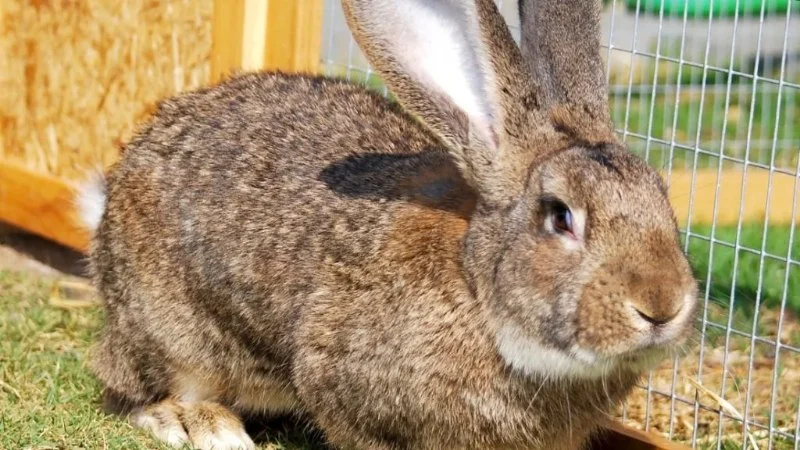
2.1 To manage weight effectively, owners must first recognize what a healthy rabbit looks like. Unlike cats or dogs, rabbits should have a streamlined shape with a gentle curve along the spine—not rounded or bulky.
2.2 Common risks associated with overweight rabbits include:
2.2.1 Reduced mobility, making it harder for rabbits to groom themselves
2.2.2 Digestive issues, especially related to gut health
2.2.3 Increased risk of joint stress and long-term discomfort
2.3 On the other hand, underweight rabbits can also face health problems, often linked to poor diet or underlying conditions. This is why consistent monitoring is essential rather than reacting only when problems appear.
3. Diet Basics for Maintaining Healthy Rabbits
3.1 Diet is the foundation of rabbit weight management. In the UK, hay should make up the majority of a rabbit’s daily intake, providing essential fibre for digestion and helping control calorie consumption.
3.2 A balanced feeding approach includes:
3.2.1 Unlimited fresh hay as the primary food source
3.2.2 Controlled portions of pellets to prevent overeating
3.2.3 Fresh leafy greens for added nutrients and variety
3.3 Many owners unknowingly overfeed treats, especially commercial snacks. While these may seem harmless, they often contribute to gradual weight gain over time.
3.4 For those unsure about proper feeding routines, RegPets offers guidance, products, and resources tailored to rabbit nutrition, helping owners make informed decisions without guesswork.
4. Exercise and Daily Habits That Make a Difference
4.1 Exercise is just as important as diet when it comes to keeping rabbits healthy. In smaller UK homes or flats, limited space can reduce natural movement, so owners need to be proactive.
4.2 Encouraging activity can include:
4.2.1 Providing safe, open areas for daily exploration
4.2.2 Using toys or tunnels to stimulate movement
4.2.3 Rotating environments to keep rabbits mentally engaged
4.3 One often overlooked factor is routine. Rabbits thrive on consistency, and regular playtime helps maintain both physical health and emotional wellbeing.
4.4 Even simple changes, like rearranging their space, can encourage curiosity and movement, contributing to better weight control.
5. Real-Life Case from UK Rabbit Owners
5.1 A UK rabbit owner once shared their experience online after noticing their pet becoming less active. Initially dismissed as normal behaviour, it turned out the rabbit had gradually gained weight due to excessive pellet feeding.
5.2 After consulting with a vet, the owner adjusted the rabbit’s diet to focus more on hay and reduced treats significantly. Within a few months, the rabbit became more energetic and regained a healthier body condition.
5.3 This case highlights how subtle changes can have a significant impact. Weight issues often develop slowly, making early awareness crucial.
6. Long-Term Strategies for Keeping Rabbits Fit
6.1 Maintaining a healthy rabbit weight is not a one-time effort but an ongoing process that adapts to your rabbit’s age, environment, and lifestyle.
6.2 Long-term strategies include:
6.2.1 Regularly checking body condition rather than relying only on weight
6.2.2 Adjusting diet based on seasonal activity changes
6.2.3 Scheduling periodic vet check-ups for professional guidance
6.3 Over time, these habits become part of a routine that supports not only physical health but also overall quality of life.
6.4 Many rabbit owners in the UK find that combining proper nutrition, daily activity, and trusted resources like RegPets helps create a sustainable approach to care that keeps their pets healthy for years.





 Pets at Home Barnsley Cortonwood4.0 (538 reviews)
 Madd Pets & Reptiles4.0 (76 reviews)
 Dudley's Natural Doggy Treats4.0 (15 reviews)
 Pets at Home Newark4.0 (579 reviews)
 Darlington Vet Clinic Ltd4.0 (364 reviews)
 Welland Valley Feeds Ltd4.0 (447 reviews)
 Common Health Issues in UK Pets and How to Prevent Them | Pet Health Guide
 The Importance of Health Checkups for Rabbits – UK Edition
 Understanding Kitten Behaviour Training: Essential Tips and Solutions
 Top 10 Seasonal Health Tips Every Reptile Owner in the UK Should Know
 Top 10 Skin and Coat Care Every Dog Owner in the UK Should Know
 Top 10 Signs Your Pet Needs to See a Vet Immediately