
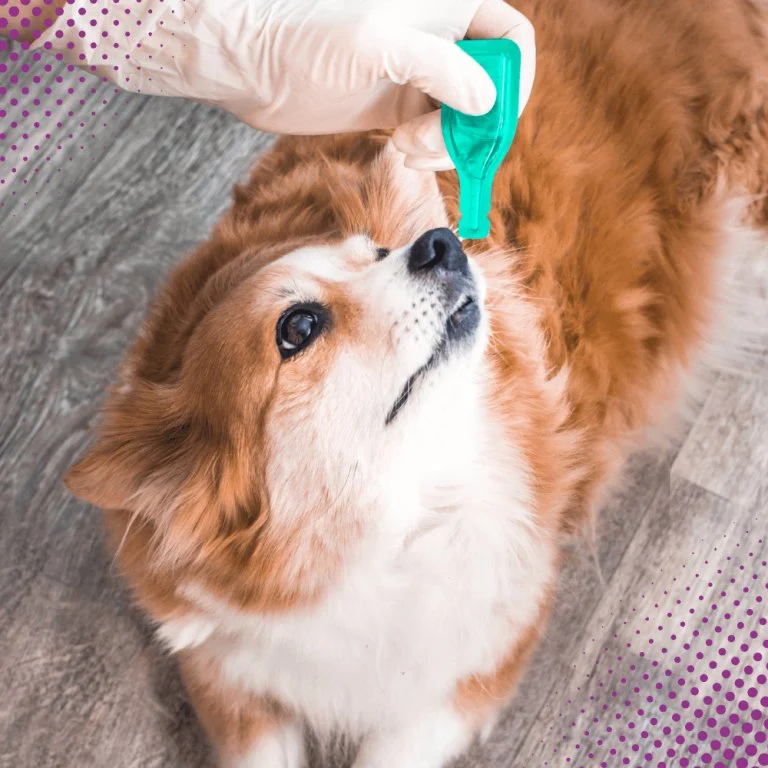
Best Practices for Parasite Prevention in Exotic Pets
- 1 - Understanding Parasites in Exotic Pets
- 2 - Common Parasites Affecting Exotic Pets
- 3 - How to Prevent Parasites in Exotic Pets
- 4 - The Importance of Regular Health Checks for Exotic Pets
- 5 - Real-Life Case Study: Parasite Prevention in Exotic Pets
- 6 - Why RegPets Can Help Keep Your Exotic Pet Parasite-Free
1 - Understanding Parasites in Exotic Pets
Exotic pets, such as reptiles, birds, and small mammals, can be particularly vulnerable to parasites due to their unique environments and care needs. Parasites can cause a range of health issues, from mild discomfort to serious illness. Understanding the types of parasites that can affect your exotic pet is the first step in providing proper care and prevention.
Parasites can be external, such as fleas or mites, or internal, like intestinal worms. Exotic pets may also be exposed to parasites through their living environment, stress, or improper nutrition. Keeping your pet free from parasites is essential for their health and happiness, and there are many ways you can reduce the risk.

Comfy Kitty Cattery
ApplebyNorth LincolnshireEngland
The Bothy, Ermine St, Appleby, Scunthorpe DN15 0AD, UK
2 - Common Parasites Affecting Exotic Pets
Parasites in exotic pets can vary based on species and habitat, but there are a few common parasites that pet owners should watch out for. Here’s a breakdown of the most common parasites affecting exotic pets:

1. Mites and Ticks
Mites and ticks are common external parasites in reptiles and exotic birds. These pests can cause skin irritation, feather loss, and transmit diseases. Reptiles, such as snakes and lizards, are particularly prone to mites that can affect their skin and respiratory health.
2. Worms (Roundworms and Tapeworms)
Internal parasites like roundworms and tapeworms are a common issue for exotic pets. These parasites live in the intestines and can lead to digestive issues, weight loss, and even organ damage. Regular deworming treatments can help control these parasites.
3. Fleas
Fleas are more commonly associated with cats and dogs, but they can also affect exotic pets, particularly mammals. Fleas can cause itching, skin infections, and even transmit other parasites like tapeworms. Proper flea prevention is essential for pets living in shared environments with other animals.
4. Protozoa
Protozoan parasites, such as Giardia and Coccidia, are common in reptiles and amphibians. These single-celled organisms can cause gastrointestinal issues, dehydration, and lethargy. Regular cleaning and proper hygiene in their habitat are important to prevent protozoan infections.
3 - How to Prevent Parasites in Exotic Pets
Preventing parasites in exotic pets requires a proactive approach that combines regular care, proper diet, and environmental management. Here are the best practices for parasite prevention in exotic pets:
1. Maintain a Clean Habitat
Keeping your pet’s environment clean is the first line of defense against parasites. Regularly disinfect their cages, tanks, or enclosures, and remove any uneaten food or waste. Reptiles, especially, require frequent cleaning to avoid the buildup of parasites in their environment.
2. Regular Veterinary Check-ups
Routine check-ups with a vet who specializes in exotic pets are essential for early parasite detection. Your vet will be able to perform fecal tests, skin scrapings, and blood tests to check for parasites and recommend appropriate treatments.
3. Proper Nutrition
A well-balanced diet is key to boosting your pet’s immune system and making them less susceptible to parasites. Ensure your exotic pet is getting the right nutrients based on their species-specific needs. A healthy pet is more likely to fight off potential infections.
4. Use of Parasite Prevention Treatments
Regular parasite prevention treatments are crucial, especially for pets that are more prone to infestations. For reptiles, this may include topical treatments for mites or oral deworming medications. For mammals and birds, flea preventatives and tick treatments may be necessary.
5. Quarantine New Pets
If you acquire a new exotic pet, always quarantine them away from your other pets for a period of time to ensure they are not carrying any hidden parasites. A new pet should undergo a full health check and parasite screening before being introduced to your home.
4 - The Importance of Regular Health Checks for Exotic Pets
Regular health checks are essential for early detection of parasites in exotic pets. Even if your pet appears healthy, many parasites can be hidden inside their body or under their skin, causing silent damage. Regular vet visits allow for proactive health management, ensuring your pet lives a long, healthy life.
For example, reptiles may not show symptoms of a parasite until the infestation has become severe. Routine health checks, including fecal tests, skin checks, and blood tests, are vital to detect and treat any parasites before they cause harm.
5 - Real-Life Case Study: Parasite Prevention in Exotic Pets
Meet Lucy, a bearded dragon owned by the Thompson family. After adopting Lucy, the Thompsons noticed her behavior was off—she was lethargic and not eating well. A visit to the vet revealed that she had a heavy mite infestation. Thanks to their proactive care, including regular health checks and maintaining a clean habitat, the Thompsons were able to treat the mites early on, preventing more serious health issues.
This case highlights the importance of monitoring the health of exotic pets closely and addressing parasite issues early on. With proper care, parasites can be managed effectively, ensuring that your pet remains healthy and happy.
6 - Why RegPets Can Help Keep Your Exotic Pet Parasite-Free
At RegPets, we offer a range of parasite prevention products and expert advice to help you keep your exotic pets healthy and free from parasites. Our extensive selection of pet care products, including dewormers, topical treatments, and habitat cleaning solutions, ensures that your pet gets the best protection available.
Visit RegPets to find everything you need to maintain the health and wellbeing of your exotic pets. We provide high-quality products and trusted advice, helping you prevent parasites and other health issues before they become a problem.





 Perfect Paws Vets5.0 (2 reviews)
 The Pet Vet - Lincoln4.0 (324 reviews)
 Origin vets clinic4.0 (106 reviews)
 Coningsby Pet & Aquatics Ltd4.0 (147 reviews)
 Alnorthumbria Veterinary Group - Morpeth4.0 (179 reviews)
 Parklands Veterinary Group, Cookstown4.0 (17 reviews)
 How to Manage Your Pet’s Weight and Prevent Obesity
 What to Expect During Your Pet’s First Vet Visit in the UK
 Recognising Symptoms of Allergies in Dogs and Cats Across the UK
 Vet-Approved Exercise and Fitness for Reptiles
 UK Pet Owner’s Guide to Weight Management for Dogs
 Best Practices for Allergy Care in Guinea Pigs: Keeping Your Pet Healthy