
- why-dental-health-matters-in-pets
- how-often-should-you-visit-a-vet-for-dental-checkups
- signs-of-dental-issues-in-dogs-and-cats
- common-dental-procedures-at-the-vet
- the-uk-case-of-milo-and-why-checkups-matter
- how-regpets-supports-pet-dental-care
1. Why Dental Health Matters in Pets
Pet dental care is not just about a fresh breath—it’s an essential part of your pet’s overall health. Gum disease, plaque build-up, and tooth infections can lead to systemic problems affecting the heart, liver, and kidneys. Regular vet visits can prevent painful complications and reduce costly emergency treatments in the future. For pet owners in the UK, where wet and dry pet food is often mixed in diets, managing plaque is especially vital.

2. How Often Should You Visit a Vet for Dental Checkups?
Veterinarians recommend at least one dental check-up per year for most dogs and cats, but certain breeds—like pugs, bulldogs, and Persians—may need more frequent visits. Short-nosed (brachycephalic) breeds are prone to crowded teeth, which trap food and bacteria. Older pets and those with a history of dental issues should be monitored more closely. Regular cleanings under anaesthesia may be necessary, and your vet will guide you based on your pet's unique dental profile.

Two Amigos Pet Supplies
Unit 1A, Silverlaw, Industrial Estate, Annan DG12 5EJ, UK
3. Signs of Dental Issues in Dogs and Cats
3.1 Subtle Yet Concerning Symptoms
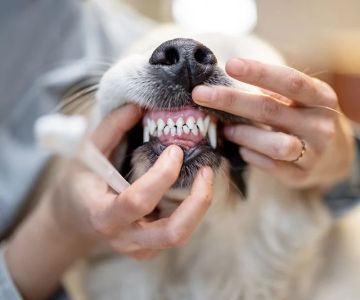
Many pet owners overlook the early signs of dental disease. Watch for bad breath, red or bleeding gums, pawing at the mouth, or difficulty eating. If your cat suddenly stops grooming or your dog becomes unusually irritable, it could be a dental issue.
3.2 When It’s Urgent
Advanced symptoms—like loose teeth, visible pus, or excessive drooling—need immediate veterinary attention. Ignoring these signs could lead to permanent damage or more serious infections that spread beyond the mouth.
4. Common Dental Procedures at the Vet
4.1 Routine Dental Cleanings
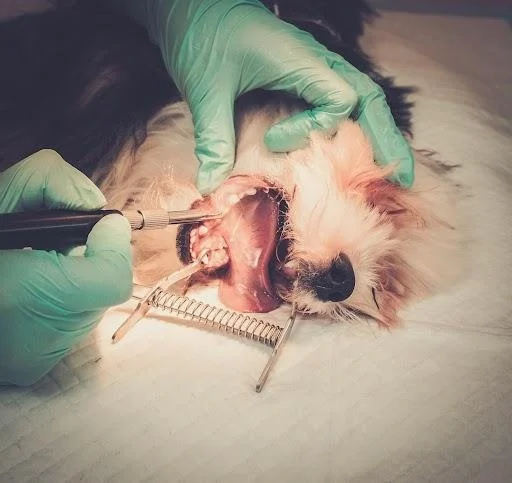
Veterinary dental cleanings are typically done under general anaesthesia. This allows the vet to clean below the gum line and check for hidden issues with X-rays. The process is safe and relatively quick when performed by professionals.
4.2 Extractions and Advanced Care
In cases of severe decay or broken teeth, extractions may be necessary. Some clinics in the UK now offer laser therapy and ultrasonic scaling, minimising discomfort and speeding up healing. It's a worthwhile investment in your pet's wellbeing.
5. The UK Case of Milo and Why Checkups Matter
In 2022, a viral social media post featured a British Shorthair named Milo from Manchester whose chronic sneezing turned out to be caused by a rotten upper molar. His owner, assuming it was a seasonal allergy, didn’t act until a regular vet visit uncovered the true problem. After a simple extraction, Milo’s symptoms vanished—and the story became a reminder of how dental problems can hide behind unrelated behaviours.
6. How RegPets Supports Pet Dental Care
At RegPets, we believe prevention is the best protection. We work with trusted UK clinics and provide access to approved dental products—from enzymatic toothpastes to dental chews tailored to breed and size. Whether you're a cat owner in London or walking your terrier through the Cotswolds, we’re here to help ensure your pet’s smile stays healthy and bright year-round.




 Medivet Brigg4.0 (128 reviews)
 Kings Veterinary Centre4.0 (286 reviews)
 Worksop Pet Services5.0 (1 reviews)
 Alexander Vets4.0 (197 reviews)
 PoshTags5.0 (1 reviews)
 Nourish & Nosh5.0 (2 reviews)
 How to Improve Guinea Pigs Behaviour Training at Home: Effective Tips for Pet Owners
 How to Handle Emergency Situations with Your Pet | RegPets
 Pet Dental Care in the UK: Why Regular Vet Visits Matter for Your Pet’s Health
 Understanding Flea and Tick Prevention for Pets in the UK
 Seasonal Health Tips for Guinea Pigs: Essential Care Advice for UK Pet Owners
 Vaccination Guide Explained: Keeping Your Reptiles Healthy in the UK