
- 1. Understanding Hamster Behaviour
- 2. Why Behaviour Training for Hamsters Is Crucial
- 3. Effective Training Techniques for Hamsters
- 4. Common Behavioural Issues in Hamsters
- 5. Creating a Positive Training Environment
1. Understanding Hamster Behaviour
Hamsters, like all pets, have unique behavioural traits influenced by their environment and natural instincts. As solitary animals by nature, hamsters tend to be more independent and less social than other pets, such as rabbits or guinea pigs. Understanding these behaviours is crucial for effective training. Observing how your hamster interacts with its cage, food, and environment will help you identify its needs and preferences.
Common behaviours include:
- Night-time activity – Hamsters are nocturnal creatures, which means they are most active during the night.
- Burrowing – Hamsters have an instinct to dig and burrow, which is a natural behaviour that can also serve as a form of stress relief.
- Wheel running – A favourite pastime for many hamsters, running on the wheel is often seen as both exercise and a way to relieve boredom.
By observing these behaviours, you can begin to form a plan for training that respects your hamster's natural instincts while encouraging positive behaviours.
2. Why Behaviour Training for Hamsters Is Crucial
Training your hamster is important for several reasons. Firstly, it helps ensure that your hamster is well-adjusted and happy in its environment. Hamsters are intelligent animals that can be trained to respond to commands, learn tricks, and even use a litter box. Proper behaviour training can also prevent issues such as biting, excessive chewing, or escaping from the cage.
Behaviour training also plays a role in strengthening the bond between you and your hamster. By spending time training your hamster, you are building trust and creating a positive relationship. This trust will make it easier to handle and interact with your hamster, allowing for a better overall experience for both pet and owner.
3. Effective Training Techniques for Hamsters
Training a hamster requires patience and consistency. Here are some techniques that can help improve your hamster’s behaviour:
3.1. Positive Reinforcement
Hamsters respond best to positive reinforcement, which involves rewarding them for good behaviour. You can use treats, praise, or a gentle petting to encourage desired actions. Always ensure that the reward is immediate so the hamster associates the behaviour with the reward.
3.2. Target Training
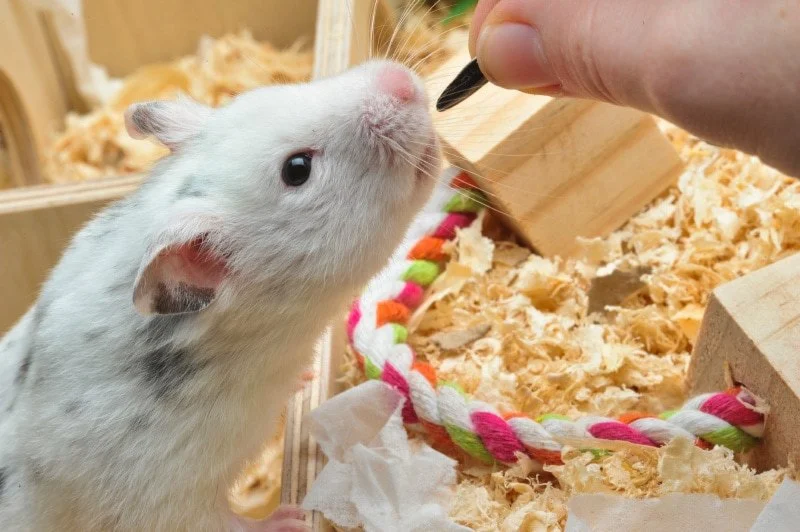
One effective method of training hamsters is target training. This involves teaching your hamster to follow a target (such as a stick or finger) and rewarding them when they do so. This technique can be used to guide your hamster to specific areas of the cage or to teach them to perform certain actions, such as climbing or jumping.
3.3. Consistent Routine
Hamsters thrive on routine, so it’s important to establish a consistent training schedule. Short, frequent sessions work best for hamsters, as they can easily become bored if training sessions are too long. Aim for 5 to 10-minute training sessions each day, and gradually increase the difficulty of the tasks as your hamster becomes more proficient.
4. Common Behavioural Issues in Hamsters
Despite their cute and friendly nature, hamsters can develop behavioural problems if not trained properly. Here are a few common issues hamster owners might encounter:
4.1. Biting
Some hamsters may bite out of fear, territoriality, or frustration. To prevent biting, it’s essential to avoid sudden movements and handle your hamster gently and calmly. Gradually acclimating your hamster to being handled will help them feel more secure and less likely to bite.
4.2. Escaping
Hamsters are notorious escape artists, often finding ways to escape their cages. Ensure that your hamster’s cage is secure with no gaps or holes that they can slip through. Additionally, providing enough enrichment in their environment can help keep them occupied and reduce their desire to escape.
4.3. Excessive Chewing
Chewing is a natural behaviour for hamsters, but excessive chewing can lead to damage to their cage or toys. Make sure your hamster has enough chewable toys to keep them entertained and reduce the risk of destructive chewing.
5. Creating a Positive Training Environment
To ensure successful training, it’s important to create an environment that is conducive to learning. Here are some tips for setting up a positive training environment for your hamster:
5.1. Provide a Comfortable Space
Ensure that your hamster’s cage is spacious, clean, and comfortable. A happy hamster is more likely to engage in training sessions and show positive behaviours. Provide plenty of bedding, food, water, and hiding spaces so your hamster feels secure.
5.2. Minimise Stress
Hamsters are sensitive to stress, so it’s important to avoid loud noises, sudden changes, or overcrowded environments. Keeping the training space quiet and calm will help your hamster focus on the task at hand and reduce anxiety during sessions.
5.3. Enrichment and Playtime
Providing your hamster with a variety of toys and activities will keep them mentally stimulated. This not only aids in training but also helps prevent boredom-related behavioural problems. Consider items like tunnels, climbing structures, and chew toys to keep your hamster entertained and active.
In conclusion, behaviour training is essential for hamsters, particularly for UK pet owners who want to provide their furry friends with a positive and fulfilling life. By following the techniques and tips mentioned in this article, you can foster a healthy relationship with your hamster and create a well-behaved, happy pet. For more resources and hamster-related products, check out RegPets.






 Pets at Home Boston4.0 (1052 reviews)
 EuroPet Travel - Animal Health Certificates5.0 (16 reviews)
 Clarks Country Store4.0 (39 reviews)
 Pets at Home Bangor NI4.0 (714 reviews)
 Station House Vets Small Animal & Equine Practice5.0 (63 reviews)
 Mobile Microchipping Lancs5.0 (5 reviews)
 Best Practices for Puppy and Kitten Care in Hamsters: Essential Tips for Pet Owners
 Recognizing Symptoms of Allergies in Dogs and Cats: A Complete Guide for Pet Owners
 Vet-Approved Vaccination Guide for Puppies
 What to Expect During Your Pet’s First Vet Visit in the UK – Full Guide for New Owners
 How to Spot Signs of Arthritis in Older Pets in the UK
 The Importance of Common Illnesses for Guinea Pigs – UK Edition | RegPets