
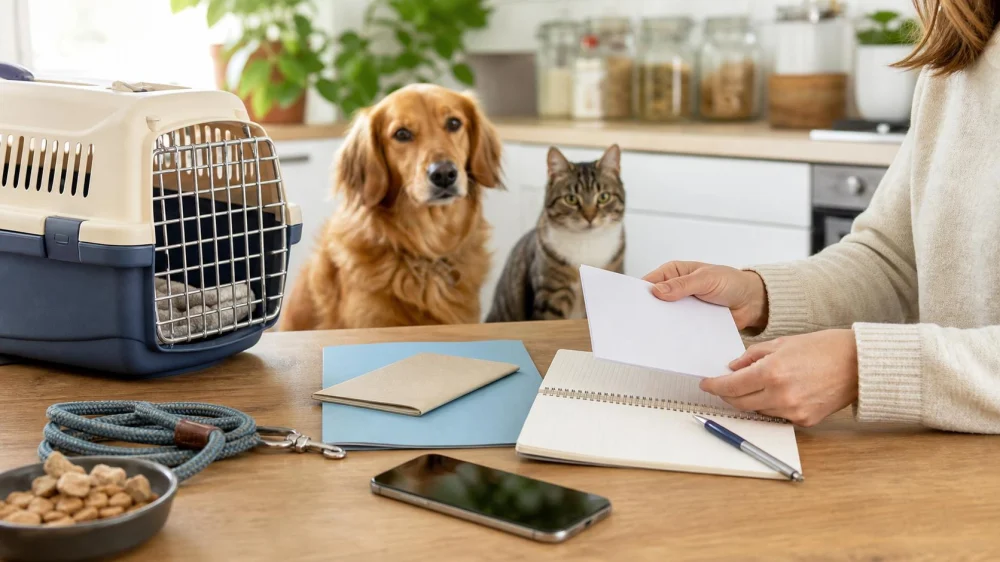
Pet Checkup Preparation Checklist for UK Owners
On this page
Quick answer
Before a pet checkup, note your pet’s eating, drinking, weight, toilet habits, behaviour, medicines, parasite prevention, and any changes since the last visit. Bring vaccination records, insurance details, medication packaging, and your main questions. Contact a vet sooner if your pet seems very unwell, injured, struggling to breathe, or rapidly worsening.
Why preparation helps
A pet checkup preparation checklist helps UK owners give the vet clear, practical information during a routine appointment. It is especially useful when small changes have happened gradually and are easy to forget in the consultation room.
Good notes can help the vet understand what is normal for your dog, cat, rabbit, or other pet. They also help you leave with clearer next steps for feeding, weight, dental care, parasite prevention, exercise, or monitoring.

Kathryn's Cattery
Townend Farm, 109 - 111 Town End Rd, Ecclesfield, Sheffield S35 9YX, UK
What to bring to the vet
Pack the items that make the appointment easier:
- Vaccination card or previous records if this is a new practice.
- Microchip details and current contact information.
- Pet insurance policy details if relevant.
- Medication, supplement, flea, tick, and worming product names or packaging.
- Photos or short videos of intermittent symptoms or behaviour changes.
- A secure carrier, lead, harness, muzzle if safely used, or towel for small pets.
- A written list of your top questions.
Notes to make before the appointment
Write down what has changed and when. Include appetite, thirst, weight, energy, sleeping, toileting, coughing, scratching, limping, vomiting, diarrhoea, grooming, hiding, aggression, or anxiety.
This checklist is best for routine wellness checks, new-pet visits, senior pet reviews, and non-urgent follow-ups. It is not ideal for deciding whether worrying symptoms can wait. If you are unsure, contact a veterinary practice for advice.
Questions to ask
- Is my pet’s weight and body condition healthy?
- Are vaccinations, flea, tick, and worming protection up to date?
- Does my pet need dental care or a diet adjustment?
- What changes should I monitor at home?
- When should I book the next checkup?
- What symptoms mean I should call sooner?
Checkup checklist
- Book the appointment with the right pet details.
- Update your contact and microchip information if needed.
- Prepare records, insurance details, and medication packaging.
- Write a short timeline of changes or concerns.
- Bring a safe carrier or lead setup.
- Avoid feeding treats right before travel if your pet gets carsick.
- Ask the practice if a nervous pet needs special arrival instructions.
- Save the vet’s advice and follow-up plan after the visit.
Important notes
This article is general pet care preparation information for owners in the United Kingdom. It does not diagnose illness, recommend treatment, or replace advice from a registered veterinary surgeon.
Contact a vet urgently if your pet has breathing difficulty, collapse, seizures, severe bleeding, repeated vomiting, suspected poisoning, inability to urinate, major injury, or a rapid decline. For emergencies, use your veterinary practice’s out-of-hours instructions.
FAQ
How often should pets have checkups?
Many pets benefit from regular checkups, but timing depends on age, species, health, vaccination needs, and your vet’s advice. Senior pets or pets with conditions may need more frequent reviews.
Should I bring a urine or stool sample?
Only if the practice asks or if you are discussing toilet changes. Call ahead to ask how they want samples collected and stored.
What if my pet is nervous at the vet?
Tell the practice when booking. They may suggest quieter appointment times, waiting in the car, bringing familiar bedding, or other low-stress handling steps.
Can photos and videos help?
Yes. Short clips of coughing, limping, scratching, unusual movement, or behaviour changes can help the vet understand something that may not happen during the appointment.
Evidence notes
This guide follows common UK veterinary appointment preparation principles: accurate history, medication details, vaccination and parasite prevention records, safe transport, and urgent contact for serious symptoms. Follow your own veterinary practice’s instructions first.
Next steps
Before your next appointment, create a one-page note with your pet’s routine, changes, current products, and questions. Keep it with the carrier or lead so checkups become calmer and more useful.



 Maidenhead Aquatics York4.0 (261 reviews)
 Oaklands Veterinary Centre and Equine Hospital4.0 (124 reviews)
 Tailermade5.0 (7 reviews)
 Comfy Cats Cattery5.0 (180 reviews)
 Rowan Veterinary Centre Ltd4.0 (218 reviews)
 WOOF INC4.0 (22 reviews)
 How to Spot Signs of Arthritis in Older Pets – UK Pet Owner’s Guide
 Vet-Approved Behaviour Training for Birds
 How Often Should You Deworm Your Dog? UK Parasite Prevention Guide
 Exercise and Fitness Explained: Keeping Your Exotic Pets Healthy in the UK
 Seasonal Health Tips for Cats: What UK Pet Owners Need to Know
 Can Dogs Eat Almonds? Digestive Risks and Choking Hazards Explained