
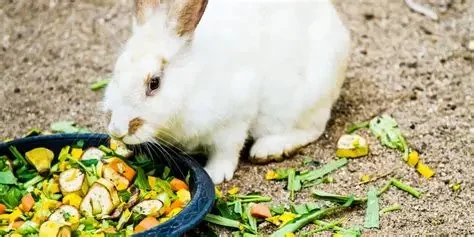
When Curious Bunnies Meet Unfamiliar Vegetables
- rabbit-diet-basics-safety-overview - understanding what rabbits can safely eat
- artichoke-nutrition-and-risks - how artichoke fits into a bunny diet discussion
- safe-feeding-guidelines - portion control and preparation rules
- digestive-health-considerations - why rabbit stomach sensitivity matters
- real-life-feeding-mistakes - common owner experiences and lessons
Anyone who has ever shared their home with a rabbit knows the same pattern: you’re prepping vegetables in the kitchen, and suddenly a pair of curious eyes locks onto your plate. Artichokes are especially intriguing because they look like something between a flower and a fortress. That curiosity naturally leads to the question many pet owners search for: can rabbits eat artichoke and is it actually safe for them?
To answer this properly, we need to go beyond a simple yes or no. Rabbit digestion is delicate, highly specialized, and surprisingly unforgiving when it comes to unfamiliar foods. What looks like a harmless vegetable to us may behave very differently inside a bunny’s gut.

The Real Nature of a Rabbit’s Digestive System
Before deciding whether any new vegetable belongs in a rabbit’s bowl, it helps to understand how their digestive system actually works. Rabbits are strict herbivores designed to process large amounts of fibrous plant material, primarily hay. Their gut relies on a constant flow of fiber to keep everything moving smoothly.
Unlike humans, rabbits cannot handle sudden dietary shifts well. Even small changes in sugar, starch, or complex plant compounds can disrupt gut bacteria balance. That’s why experienced caretakers always approach new foods cautiously, especially vegetables that are not commonly part of a standard bunny diet.
This is where the question of artichoke for rabbits becomes more complicated. While it is technically a plant, not every part of it behaves the same way inside a rabbit’s system.

Can Rabbits Eat Artichoke or Should It Be Avoided?
The short answer: rabbits should only eat artichoke in very limited and carefully prepared amounts, and only certain parts are considered less risky. However, it is not a recommended staple food and should never replace safe leafy greens like romaine lettuce, cilantro, or dandelion greens.
The artichoke plant contains fibrous layers that are difficult to digest, along with compounds that can potentially cause gas or bloating in sensitive rabbits. While some rabbit owners experiment with small bites of cooked or raw soft inner leaves, this is not widely supported as a routine feeding practice.
When discussing rabbit safe foods list, artichoke is typically placed in the “occasional and uncertain” category rather than a safe daily vegetable. That alone should signal caution.
Breaking Down the Artichoke: What Matters for Safety
To understand the risks, we need to look at which parts of the artichoke exist and how each interacts with a rabbit’s digestive system. The vegetable has multiple layers, each with different textures and fiber densities.
The outer leaves are tough and fibrous, making them difficult for rabbits to chew and digest properly. The inner heart is softer but still contains plant compounds that may not sit well with sensitive stomachs. Even the stem can be overly fibrous and difficult to process.
Because of this structure, many rabbit care experts recommend avoiding artichoke entirely or only offering a microscopic taste under controlled conditions. It is not comparable to safe bunny vegetables like leafy greens that have been consistently tested in rabbit diets.
A Real-World Story: When “Healthy Food” Went Wrong
A rabbit owner once shared a story in an online pet care community about giving their bunny a small piece of steamed artichoke heart. The owner assumed it was harmless since it was labeled a vegetable and commonly used in human healthy diets.
Within hours, the rabbit became noticeably lethargic and stopped eating hay. The owner rushed to a vet, who diagnosed mild gastrointestinal stasis triggered by an unfamiliar food. While the rabbit eventually recovered, the incident became a cautionary example shared widely among pet communities.
This case highlights an important truth: “healthy for humans” does not automatically mean “safe for rabbits.” The biology simply doesn’t align.
Why Rabbit Diet Safety Is More About Consistency Than Variety
Many new rabbit owners assume variety is always better, but rabbits thrive on stability. Their gut flora adapts to consistent fiber sources. Introducing unusual vegetables, even in small amounts, can disrupt this balance.
That’s why trusted resources like RegPets often emphasize maintaining a predictable diet foundation while only introducing new foods slowly and carefully. A stable diet usually consists of:
High-quality hay as the core, fresh leafy greens in moderation, and controlled pellet portions. Anything outside this structure should be treated as experimental rather than routine.
How to Safely Introduce New Foods If You Still Want to Experiment
If a rabbit owner still wishes to test vegetables like artichoke, the process must be extremely gradual. Even then, caution is essential.
The safest approach involves starting with a tiny portion, observing the rabbit for 24–48 hours, and watching for signs of digestive discomfort such as reduced appetite, bloating, or changes in stool consistency. If anything unusual appears, the food should be removed immediately from the diet.
However, most veterinarians would still advise skipping artichoke entirely due to its unpredictable effects compared to safer alternatives.
Comparing Artichoke to Safer Vegetable Choices
When evaluating rabbit nutrition guide principles, it becomes clear that safer vegetables share certain traits: high fiber, low starch, and gentle digestibility.
For example, romaine lettuce, basil, cilantro, and parsley are widely accepted as stable options. These foods have been observed in rabbit diets for years without significant digestive issues when fed properly.
Artichoke, by contrast, lacks long-term dietary reliability in rabbits, which places it in a more experimental category rather than a recommended one.
Understanding Why Owners Still Ask About Artichokes
It might seem surprising that so many people search “can rabbits eat artichoke,” but it reflects a broader trend in modern pet ownership. People want to share “human healthy foods” with their pets, assuming nutritional overlap.
This intention comes from care, but not always from accurate biological understanding. Rabbits are highly specialized grazers, not general vegetable eaters. Their bodies are optimized for grasses and leaves, not dense or layered vegetables like artichokes.
This mismatch is where most feeding confusion originates.
A Practical Perspective for Everyday Rabbit Owners
If you are managing a rabbit’s diet at home, the safest mindset is simplicity. The more a food resembles natural grass or soft leafy plants, the safer it generally is. The more complex or layered it appears, the more caution is required.
Artichoke falls into the latter category. While not immediately toxic in tiny amounts, it is unpredictable enough that most rabbit care professionals recommend avoiding it as a regular treat.
For reliable feeding guidance, curated rabbit-safe product suggestions, and detailed diet breakdowns, platforms like RegPets can help owners make more informed decisions without trial-and-error risks.
What Responsible Feeding Really Looks Like
Responsible rabbit care is not about offering every possible vegetable. It’s about understanding digestive limits, respecting biological design, and prioritizing long-term gut health over curiosity-driven experimentation.
When owners adopt this mindset, questions like can rabbits eat artichoke become easier to answer—not just technically, but practically. The focus shifts from “can they eat it” to “should they eat it regularly,” which is far more important for health outcomes.
In most cases, the safest answer remains caution, moderation, and preference for proven rabbit-safe greens.





 Mother of Aquatics - Victor Aquatics4.0 (535 reviews)
 Alfie and Tuckers5.0 (1 reviews)
 Heatherlea Pet Supplies4.0 (139 reviews)
 Markham Pet Centre4.0 (873 reviews)
 Equine veterinary Dentist Ltd5.0 (61 reviews)
 Vets4Pets - Sunderland4.0 (422 reviews)
 Vet-Approved Parasite Prevention for Kittens: Essential Tips for Pet Owners
 Why Is My Cat Hiding Under the Bed All Day? Fear or Illness Explained
 First Aid Tips Explained: Keeping Your Puppies Healthy in the UK
 Allergy Care Tips for Exotic Pets: What UK Pet Owners Need to Know
 How to Handle Emergency Situations with Your Pet
 Best Practices for Skin and Coat Care in Kittens