
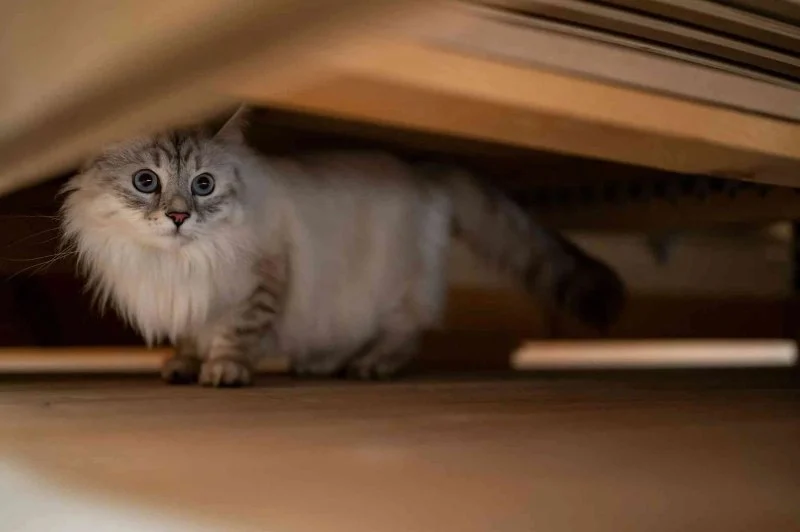
- cat-hiding-under-bed-fear-or-illness-behavior-explained
- why-is-my-cat-hiding-common-causes-and-trigger-factors
- feline-fear-behavior-stress-anxiety-indoor-environment
- cat-illness-symptoms-hidden-warning-signs-to-watch
- real-life-cat-story-sudden-hiding-and-veterinary-diagnosis
- environmental-stress-and-multi-pet-household-conflicts
- RegPets-cat-care-guidance-and-practical-solutions
- when-to-see-a-vet-for-a-hiding-cat-professional-advice
Why Is My Cat Hiding Under the Bed All Day? Understanding the Behavior
If you’ve ever walked through your home wondering, “Why is my cat hiding under the bed all day?”, you’re not alone. This is one of the most common concerns among cat owners in the United States. While it may seem like simple shyness, a cat hiding under bed behavior can signal anything from mild stress to a serious health issue.
Cats are naturally cautious animals. In the wild, hiding is a survival instinct that helps them avoid predators and stressful situations. Even indoor cats retain this instinct, which means sudden changes in behavior should always be observed carefully.
Understanding whether your cat’s behavior is rooted in feline fear behavior or possible illness is essential for ensuring their long-term well-being.

Common Reasons Behind a Cat Hiding Under the Bed
Environmental stress and sudden changes
One of the most frequent triggers for hiding is environmental change. Moving furniture, introducing new pets, or even loud household noises can make a cat feel unsafe. When this happens, the bed becomes a “safe zone” where the cat feels protected.
Indoor cats are especially sensitive to routine disruption. Even small changes like a new cleaning product smell or unfamiliar guests can lead to stressed cat behavior.

Fear-based reactions and anxiety responses
Feline fear behavior is often subtle but powerful. Cats may retreat, avoid interaction, and remain hidden for long periods. This is not just about being shy—it’s a biological response to perceived danger.
In multi-pet households, dominant animals can unintentionally intimidate more submissive cats, causing prolonged hiding patterns.
Cat Illness Symptoms That May Cause Hiding Behavior
Physical discomfort and internal illness
While fear is a common cause, cat illness symptoms should never be overlooked. Cats are known for hiding pain very effectively, and staying under the bed for extended periods can be a sign of discomfort.
Conditions such as urinary tract infections, gastrointestinal issues, or dental pain may lead to withdrawal from normal activity.
Behavioral changes linked to health issues
A normally social cat suddenly becoming withdrawn may indicate a deeper medical issue. Loss of appetite, reduced grooming, and lethargy often accompany illness-related hiding behavior.
When these signs appear together, it is important to consider veterinary evaluation.
Real-Life Case Study: Sudden Cat Hiding and Diagnosis
A pet owner in Chicago shared a situation where their otherwise playful cat began hiding under the bed for several days. Initially, they assumed it was due to a new puppy in the home. However, the behavior continued even when the environment became calm.
After visiting a veterinarian, it was discovered that the cat had a mild kidney infection. Once treated, the cat gradually returned to normal behavior within a week.
This case highlights why it is important not to dismiss prolonged hiding as simple anxiety.
Feline Fear Behavior vs Illness: How to Tell the Difference
Signs that point to fear or stress
If your cat is hiding but still eating, drinking, and using the litter box normally, the cause is more likely emotional or environmental. Sudden noises, visitors, or new pets often trigger temporary hiding.
In these cases, the cat may still respond to familiar voices or come out during quiet periods.
Warning signs of potential illness
If hiding is combined with refusal to eat, vomiting, or noticeable changes in movement, it may indicate a medical condition. Cats experiencing pain often isolate themselves as a protective instinct.
These symptoms should be monitored closely and addressed promptly.
Multi-Cat Households and Social Stress Factors
Territorial behavior and dominance issues
In homes with multiple cats, territorial disputes can lead to one cat consistently hiding. Even subtle dominance behaviors like blocking access to food or litter boxes can create stress.
Over time, the more anxious cat may choose to remain hidden as a coping mechanism.
Creating balanced environments for all pets
Providing multiple feeding stations, litter boxes, and resting areas can reduce competition and help minimize stress-related hiding behavior.
When Should You Be Concerned About Your Cat Hiding?
Duration and consistency of hiding behavior
Occasional hiding is normal, especially during stressful events. However, if a cat remains hidden for more than 24–48 hours without normal activity, it may indicate a deeper issue.
Changes in physical behavior and routine
Loss of appetite, lack of grooming, and reduced interaction are strong indicators that something may be wrong. These signs should always be taken seriously.
Real Household Example: Gradual Behavioral Shift
A family in Texas noticed their cat spending increasing time under the bed after they renovated their home. At first, they thought it was temporary stress, but the behavior continued for weeks.
After consulting a vet, it was determined that the cat was experiencing anxiety triggered by new household scents and rearranged furniture. With gradual reintroduction to familiar spaces and calming pheromone diffusers, the cat slowly regained confidence.
How RegPets Can Help Cat Owners Understand Behavior
Practical guidance for everyday cat care
RegPets offers educational resources designed to help pet owners better understand feline behavior patterns like hiding, anxiety, and illness-related withdrawal.
Learning to distinguish between emotional stress and medical concerns can significantly improve your cat’s quality of life and reduce unnecessary worry.
Supporting healthier and happier indoor cats
From environmental enrichment strategies to behavior interpretation guides, RegPets helps owners create safe and comfortable environments where cats feel secure enough to express natural behaviors without fear.
Helping Your Cat Feel Safe Again
Whether your cat is hiding due to fear, stress, or illness, the key is observation and patience. Sudden behavioral changes should always be taken seriously, while also recognizing that cats are sensitive creatures who respond strongly to their environment.
By understanding the root causes behind cat hiding under bed behavior, owners can take meaningful steps to restore comfort and trust in their pets’ daily lives.






 Pennine Veterinary Referrals5.0 (23 reviews)
 Maidenhead Aquatics Tong4.0 (116 reviews)
 Valley Lodge Cattery5.0 (15 reviews)
 Vets for Pets - Rawtenstall4.0 (361 reviews)
 Calder Vets in Brighouse4.0 (70 reviews)
 Millcroft Vets Maryport4.0 (223 reviews)
 Vaccination Guide Tips for Cats: What UK Pet Owners Need to Know
 Best Practices for Puppy and Kitten Care in Reptiles | RegPets
 Vet-Approved Puppy and Kitten Care for Kittens
 Common Illnesses Explained: Keeping Your Cats Healthy in the UK
 Vet-Approved Skin and Coat Care for Cats: Expert Tips for Healthy Felines
 Vet-Approved Mental Health for Puppies: Key Strategies to Support Your Pup