
- understanding-growling-behavior - What dog growling really means beyond aggression
- hidden-pain-signals - How physical discomfort shows up as sudden behavior changes
- fear-and-stress-responses - Emotional triggers behind unexpected growling
- real-life-case-analysis - A relatable story of misread dog behavior
- how-to-respond-safely - Practical steps for owners when growling appears
- long-term-care-prevention - Building trust and reducing behavioral triggers
Why Is My Dog Growling for No Reason? Hidden Pain or Fear Responses Explained
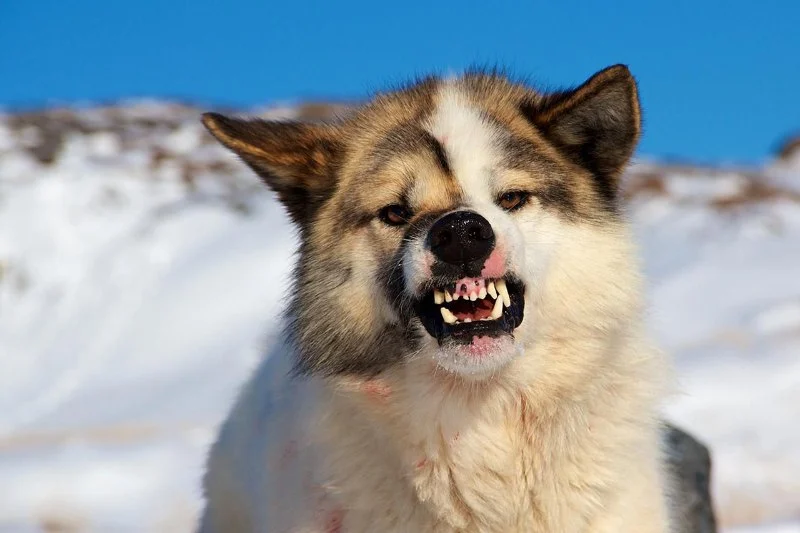
When a dog suddenly starts growling without an obvious trigger, it can feel confusing or even upsetting. Many owners immediately assume aggression, but in reality, a dog growling for no reason is rarely “without reason” at all. More often, it is a communication signal—sometimes subtle, sometimes urgent—pointing to pain, fear, or emotional stress.
Understanding what lies beneath this behavior is essential not only for safety but also for your dog’s long-term wellbeing. Growling is not disobedience; it is language. And when interpreted correctly, it can prevent escalation into more serious behavior.

Aristocat Luxury Cat Hotel 5 Star Rated by Chesterfield Borough Council
Old WhittingtonDerbyshireEngland
Broomhill Farm, Broomhill Rd, Old Whittington, Chesterfield S41 9EA, UK
What Growling Really Means in Dog Communication
Growling is one of the clearest vocal warnings dogs use. It is part of a layered communication system that includes body posture, facial tension, and movement changes. When owners hear growling, they are essentially being given a chance to pause and reassess the situation.

Parklands Veterinary Group, Cookstown
81 Molesworth Rd, Cookstown BT80 8NU, UK
Growling is not the first warning sign
Before a dog growls, there are usually earlier signals—stiff body posture, lip licking, avoiding eye contact, or turning away. By the time growling happens, the dog is often already uncomfortable or stressed.
Context matters more than sound
A growl during play is very different from a growl when being touched or approached. Understanding the environment is key to interpreting meaning correctly.
Hidden Pain: The Most Overlooked Cause of Sudden Growling
One of the most common explanations for a dog growling for no reason is undiagnosed physical pain. Dogs are extremely good at hiding discomfort until it becomes difficult to ignore.
How pain changes behavior
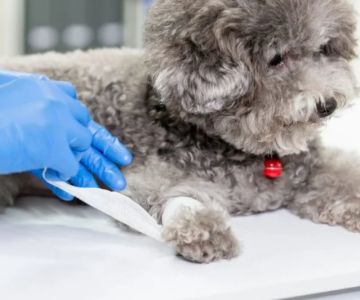
Conditions like arthritis, dental disease, or internal discomfort can make a dog sensitive to touch or movement. A simple action like petting the back or picking them up can trigger a defensive growl.
Subtle signs owners often miss
Dogs in pain may also show reduced activity, reluctance to jump, changes in appetite, or increased irritability. These signs often appear before growling becomes noticeable.
Why pain-related growling feels “random”
Because pain can fluctuate, the behavior may seem inconsistent. One moment the dog is fine; the next, a minor movement triggers discomfort and a growl.
Fear and Emotional Triggers Behind Unexpected Growling
Not all growling is physical. Emotional stress is another major factor. Dogs can develop fear-based reactions due to past experiences, environmental changes, or lack of socialization.
Fear aggression explained
A fearful dog may growl when feeling cornered, approached too quickly, or exposed to unfamiliar stimuli. This is a defensive response rather than an offensive one.
Environmental stress accumulation
Loud noises, changes in routine, new pets, or even moving homes can elevate stress levels. Over time, this stress builds and manifests as sudden behavioral shifts.
Why calm dogs suddenly change behavior
Owners are often surprised when a previously relaxed dog begins growling. This is usually not sudden—it’s the result of gradual emotional buildup that finally crosses a threshold.
A Real-Life Case: When Growling Was Misunderstood
A common situation involves well-meaning owners misinterpreting signals. One example involved a family dog that began growling whenever someone tried to lift it onto the couch. At first, they assumed it was behavioral defiance.
After veterinary evaluation, the issue turned out to be early-stage hip discomfort. The dog wasn’t being difficult—it was trying to avoid pain. Once the underlying condition was treated, the growling stopped completely.
This type of scenario is more common than many realize, and it highlights why behavior should never be separated from physical health.
How to Respond When Your Dog Starts Growling
When facing sudden growling, the priority is not correction but understanding. Reacting harshly can increase fear and worsen behavior over time.
Step one: pause and assess
Stop what you are doing and observe the dog’s body language. Look for stiffness, avoidance, or signs of discomfort.
Step two: avoid punishment
Punishing a growl suppresses the warning signal without solving the cause. This can lead to more serious reactions in the future.
Step three: consider medical evaluation
If the behavior is new or unexplained, a veterinary check is important. Pain-related issues are often the root cause.
Step four: reduce immediate triggers
Give the dog space and avoid physical pressure until the cause is understood. Respecting boundaries builds trust.
For owners seeking more structured guidance on behavioral interpretation and pet wellness support, platforms like RegPets can help connect you with relevant resources and care solutions.
Building Long-Term Emotional and Physical Stability
Preventing future episodes of unexplained growling requires a combination of health monitoring and emotional understanding. Dogs thrive in predictable, low-stress environments where communication is respected.
Regular health checks matter
Routine veterinary visits help identify early pain sources before they influence behavior.
Consistency builds confidence
Dogs feel safer when routines are stable. Sudden changes should be introduced gradually.
Learning your dog’s baseline behavior
Every dog has a “normal state.” Recognizing what is typical makes it easier to identify when something is wrong.
Strengthening trust through observation
Paying attention to subtle cues—like ear position, tail movement, and posture—helps owners respond before growling occurs.
Understanding the Real Message Behind Growling
A dog growling for no reason is almost never truly without reason. It is a signal, not a problem in itself. Whether caused by hidden pain, emotional stress, or environmental triggers, growling is a form of communication that deserves attention rather than punishment.
When owners shift from reacting to interpreting, the relationship with their dog becomes clearer and more stable. Over time, this understanding reduces fear-based responses and creates a more secure environment for both dog and owner.


 Middlesbrough PDSA Pet Hospital4.0 (1159 reviews)
 Scott Mitchell Veterinary Care Ltd4.0 (66 reviews)
 Vets Now Preston4.0 (431 reviews)
 Primitive pets5.0 (22 reviews)
 Hollygate Veterinary Clinic4.0 (112 reviews)
 Paws Lodge Cattery4.0 (79 reviews)
 How to Improve Common Cat Illnesses at Home
 Top 10 Common Illnesses Every Fish Owner in the UK Should Know for Healthy Aquariums
 How to Improve Kittens Common Illnesses at Home
 Complete Guide to Preventive Care for Cats: Ensuring a Healthy Life for Your Feline Friend
 The Importance of Exercise and Fitness for Hamsters – UK Edition
 Best Practices for Mental Health in Exotic Pets: Expert Tips