
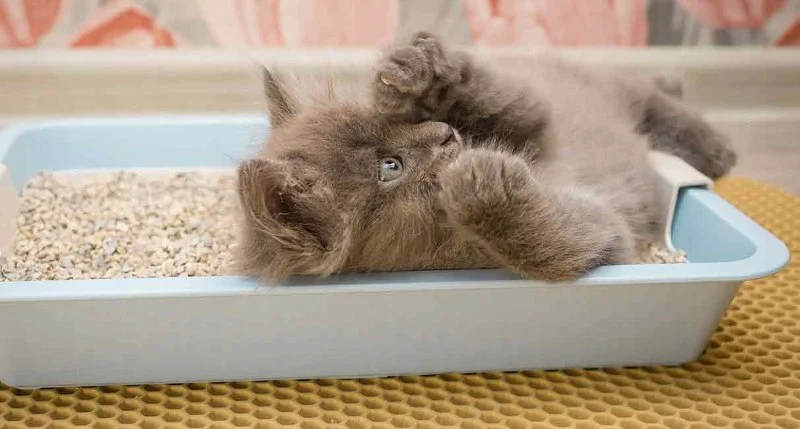
When a Cat Suddenly Stops Using the Litter Box: What It Might Really Mean
- - why is my cat not using the litter box - medical causes - behavioral signals
- - urinary tract issues and hidden feline diseases
- - real pet owner experiences and veterinary insights
- - stress, environment, and health interactions
- - diagnostic steps before assuming behavior problems
- - when to seek professional help immediately
Understanding Why Litter Box Behavior Changes Should Never Be Ignored
When a cat suddenly stops using the litter box, most owners assume it is a behavioral issue. But in reality, the question Why Is My Cat Not Using the Litter Box? Medical Causes to Rule Out First often points to something far more serious happening beneath the surface.
Cats are naturally clean animals, and litter box avoidance is rarely random. It is often their way of communicating discomfort, pain, or internal health problems that they cannot express in any other way.
Before jumping to conclusions about bad behavior or stubbornness, it is essential to understand that medical conditions are one of the most common reasons behind sudden changes in litter box habits.

Medical Causes That Should Be Ruled Out First
Veterinarians consistently emphasize that health-related issues must be the first area of investigation when litter box problems appear. Many conditions cause discomfort that makes using the litter box painful or confusing for cats.

Sweeney Dog, Pet Store & Dog Grooming
21 Kings Rd, North Ormesby, Middlesbrough TS3 6NG, UK
1. Urinary Tract Infections (UTIs)
One of the most common medical reasons is a urinary tract infection. Cats with UTIs often associate the litter box with pain because urination becomes uncomfortable or burning.
Symptoms may include frequent attempts to urinate, small amounts of urine, or vocalizing during elimination. If untreated, UTIs can escalate quickly and cause more severe complications.
2. Feline Lower Urinary Tract Disease (FLUTD)
FLUTD is a broad condition that affects the bladder and urethra. It can cause inflammation, blockage, and extreme discomfort. Male cats are particularly at risk of urinary blockages, which can become life-threatening.
3. Kidney Disease and Increased Urination
Chronic kidney disease can cause cats to urinate more frequently, sometimes outside the litter box simply because they cannot reach it in time or because urgency increases unpredictably.
4. Diabetes and Hormonal Imbalances
Cats with diabetes often drink and urinate more than usual. This sudden increase in volume can lead to accidents outside the litter box, even in well-trained cats.
Real-Life Case: A Cat Misdiagnosed as “Bad Behavior”
A pet owner from California shared a widely discussed online story about her cat suddenly refusing the litter box after years of perfect habits. At first, she assumed stress or territory issues were the cause.
After weeks of frustration, the cat began showing signs of lethargy and frequent bathroom attempts. A vet visit revealed a severe urinary blockage that required immediate treatment. The veterinarian explained that if the condition had gone unnoticed a few more days, it could have been fatal.
This case highlights a common mistake: assuming behavior problems before ruling out medical causes.
How Pain and Discomfort Change Litter Box Behavior
When a cat associates pain with a specific location, it may begin to avoid it entirely. This is not defiance—it is survival behavior.
Negative Association Development
If urination or defecation becomes painful, the cat may begin linking that discomfort with the litter box itself, leading to avoidance.
Mobility Issues in Older Cats
Senior cats with arthritis or joint pain may struggle to climb into high-sided litter boxes, leading them to choose easier surfaces.
Neurological or Sensory Changes
In rare cases, neurological conditions can affect litter box recognition or coordination, causing accidents even in familiar environments.
Behavioral vs Medical: How to Tell the Difference Early
While behavior can play a role, distinguishing between medical and environmental causes is critical. Timing, frequency, and physical symptoms often provide important clues.
Sudden Changes vs Gradual Shifts
Medical issues often appear suddenly, while behavioral issues tend to develop gradually over time.
Signs of Physical Distress
Straining, crying, blood in urine, or frequent litter box visits are strong indicators of medical conditions rather than behavioral ones.
Changes in Appetite and Energy
If litter box issues are accompanied by appetite loss or lethargy, medical causes should be prioritized immediately.
Stress and Environment Still Play a Role—But Not First
While stress, relocation, or new pets can contribute to litter box avoidance, these factors should only be considered after medical issues are ruled out.
Environmental Triggers
Changes in litter type, box location, or household dynamics can confuse or stress a cat, leading to avoidance behavior.
Territorial Marking Behavior
Unneutered cats may mark territory, especially in multi-cat households, but this behavior is distinct from medical-related accidents.
Multi-Cat Household Stress
Competition for litter boxes can create anxiety, especially if there are not enough boxes available per cat.
Veterinary Insight: Why Early Action Matters So Much
Veterinarians often stress that delays in addressing litter box issues can worsen underlying conditions. What begins as a minor urinary irritation can quickly escalate into emergency situations.
One vet described a pattern they see frequently: owners wait too long, hoping the issue resolves itself. By the time they seek help, the condition often requires intensive treatment rather than simple medication.
What Responsible Pet Owners Should Do Immediately
When facing litter box issues, the first step is not cleaning or punishment—it is observation and early veterinary consultation.
Monitor Urination Patterns
Track how often your cat visits the litter box and whether they appear uncomfortable during elimination.
Check for Physical Symptoms
Look for signs such as blood in urine, excessive licking, or vocal distress.
Eliminate Immediate Environmental Stressors
Ensure litter boxes are clean, accessible, and located in quiet areas.
Long-Term Health Monitoring and Prevention Strategy
Preventing future issues requires ongoing attention to hydration, diet, and routine veterinary care.
Hydration and Diet Support
Wet food diets and fresh water access can reduce urinary tract risks and improve overall kidney health.
Regular Veterinary Checkups
Annual or bi-annual exams help detect early signs of urinary or kidney disease before symptoms become severe.
Behavioral Observation as Daily Habit
Small changes in behavior often appear before major health issues develop. Paying attention early can make a significant difference.
When to Seek Professional Help Without Delay
If a cat shows repeated litter box avoidance combined with signs of pain, immediate veterinary attention is necessary. Conditions like urinary blockages can become emergencies within hours.
For pet owners looking for trusted guidance, preventive care tools, and feline health resources, RegPets offers solutions designed to help monitor behavior changes and support early detection of health issues.
Understanding why is my cat not using the litter box medical causes to rule out first is not just about solving a household problem—it is about protecting your cat’s long-term health and wellbeing.





 Dove Central Garden Fantail Doves5.0 (2 reviews)
 H V S Animal Health5.0 (7 reviews)
 Sheddings Pets4.0 (32 reviews)
 Best Pet Store4.0 (4 reviews)
 Vets4Pets - Larne4.0 (108 reviews)
 Designer Reptiles LTD5.0 (36 reviews)
 How to Treat Your Dog’s Dry, Itchy Skin: Home Remedies and Vet Care
 Complete Guide to Puppy and Kitten Care for Birds
 How to Improve Exotic Pets Weight Management at Home
 UK Pet Owner’s Guide to Adoption for Reptiles
 What to Expect During Your Pet’s First Vet Visit: A Comprehensive Guide
 Vet-Approved Allergy Care for Guinea Pigs: Best Practices and Tips