
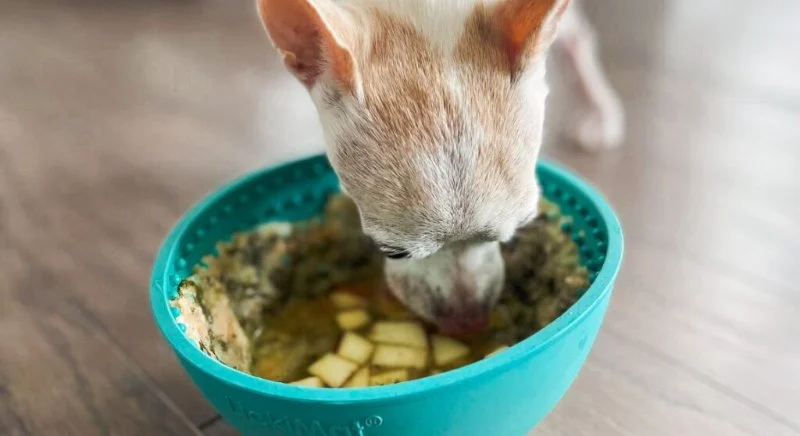
- behavior-after-meals - Why dogs lick their bowl and what it means
- hunger-vs-health - Residual hunger or digestive discomfort signals
- nutrition-and-feeding - How diet quality affects bowl licking behavior
- digestive-health-signals - When licking may indicate stomach issues
- case-stories-insights - Real-world examples from dog owners
Understanding the Behavior Behind Bowl Licking After Meals
The moment a dog finishes eating, many owners notice a familiar scene: the bowl is not just empty—it is being carefully licked as if every last molecule of flavor must be collected. The question often follows naturally: Why does my dog lick their bowl after eating? Is it simply enthusiasm for food, or could it signal something deeper such as lingering hunger or even digestive discomfort?
In reality, this behavior sits at the intersection of instinct, nutrition, and health. Dogs are biologically wired to seek out every trace of food, but modern feeding habits and processed diets can amplify or distort that instinct in ways that sometimes reveal underlying issues.

Town and Country Veterinary Group
St Annes Rc Presbytery, 40 King St, Blackburn BB2 2DH, UK
Natural Instincts Behind Cleaning the Bowl Thoroughly
To understand this habit, it helps to step back into evolutionary behavior. Wild canines rarely had guaranteed meals. Every opportunity to consume food fully mattered. Even today, domesticated dogs retain that instinct to ensure nothing is left behind.
When a dog licks their bowl after eating, it may simply reflect an ingrained survival behavior. In a household setting, this looks like devotion to food, but biologically it is more about maximizing resource intake than emotional satisfaction.
Interestingly, some breeds with higher food drive—such as Labradors or Beagles—tend to show more persistent bowl-licking behavior compared to more selective eaters. This variation highlights how genetics can influence feeding-related habits.

Hunters Bar Veterinary Clinic - Sheffield
613-615 Ecclesall Rd, Sharrow, Sheffield S11 8PT, UK
Residual Hunger or Nutritional Imbalance Signals
One of the most common interpretations of this behavior is lingering hunger. However, hunger is not always about quantity. It is often about nutritional balance.
If a dog’s meal lacks sufficient protein, fiber, or healthy fats, the body may not feel fully satisfied even after the stomach is physically full. This can lead to post-meal licking, pacing, or searching behaviors.
Owners sometimes misinterpret this as greed, but in many cases it reflects a mismatch between diet composition and energy needs. For example, a high-energy working dog fed a low-calorie commercial diet may consistently display bowl-licking behavior after meals.
At RegPets, many pet owners have shared experiences where adjusting feeding portions or switching to more balanced nutrition significantly reduced this behavior, suggesting that dietary quality plays a central role.
When Bowl Licking May Indicate Digestive Discomfort
While harmless in many cases, persistent or obsessive licking can occasionally signal gastrointestinal issues. Dogs experiencing mild nausea or acid reflux may continue licking surfaces due to residual stomach sensations.
Unlike hunger-driven licking, discomfort-related behavior is often accompanied by subtle signs such as lip-smacking, grass eating, or reduced appetite later in the day.
A real-world example comes from a dog owner in Texas who noticed her rescue dog obsessively licking his bowl and nearby floor after meals. Initially assumed to be hunger, the behavior later correlated with mild gastritis diagnosed by a veterinarian. After dietary adjustments and temporary medication, the behavior significantly decreased.
Behavioral Reinforcement and Learned Habits
Dogs are quick learners, especially when food is involved. If bowl licking previously resulted in attention, leftover treats, or extended mealtime, the behavior may become reinforced over time.
Even subtle human reactions—such as laughing, talking, or refilling the bowl—can unintentionally encourage repetition. Over time, what begins as instinct can evolve into a learned post-meal ritual.
This is particularly common in multi-pet households where dogs observe and mimic each other’s feeding behaviors.
How Feeding Environment Influences Bowl Licking Behavior
The environment where a dog eats can significantly influence post-meal behavior. Stress, competition, or distraction during feeding can lead to hurried eating followed by obsessive licking afterward.
Dogs that feel uncertain about food availability may develop a “finish everything immediately” mindset. This is especially common in rescue dogs or pets that previously experienced food scarcity.
Creating a calm feeding environment—consistent timing, quiet space, and appropriate portion control—can help reduce anxious licking behaviors over time.
Case Study: The “Empty But Not Satisfied” Labrador
A Labrador named Max in California became a commonly cited example among trainers. Despite being fed twice daily, Max would lick his bowl for several minutes after every meal and even return to it later in the day.
Initially, owners assumed he was simply hungry. However, after a nutritional review, it was discovered that his diet was high in carbohydrates but relatively low in protein and omega fatty acids.
After transitioning to a more balanced feeding plan and introducing enrichment feeding techniques, Max’s bowl-licking behavior reduced dramatically. This case highlights how dietary composition—not just quantity—can influence behavior patterns.
When You Should Start Paying Closer Attention
Occasional bowl licking is completely normal. However, there are moments when it may warrant closer observation:
If licking becomes obsessive, continues long after meals, or is paired with weight loss, vomiting, or changes in stool consistency, it may indicate an underlying health concern.
In such cases, tracking behavior patterns over time becomes essential. Noting when the behavior occurs, how long it lasts, and what other symptoms appear can help veterinarians make accurate assessments.
Supporting Healthy Eating Habits Through Better Nutrition
One of the most effective ways to manage post-meal licking is ensuring a complete and balanced diet tailored to the dog’s age, breed, and activity level. High-quality protein sources, adequate fiber, and proper fat ratios all contribute to satiety.
Some owners also find success with slow feeders or puzzle bowls, which extend eating time and reduce post-meal fixation behaviors.
For curated pet nutrition solutions, feeding accessories, and behavior-support tools, many dog owners turn to RegPets for practical recommendations that align with everyday pet care needs.
Interpreting the Behavior with a Balanced Perspective
Ultimately, bowl licking is rarely a single-cause behavior. It is a layered signal influenced by instinct, nutrition, environment, and sometimes health conditions.
Understanding the context behind it is far more important than reacting to the behavior itself. Observing patterns, adjusting diet when needed, and consulting professionals when symptoms persist creates a well-rounded approach to canine wellness.
What may seem like a simple post-meal habit often opens a window into a dog’s overall well-being—and learning to read that signal is part of responsible pet ownership.


 Earswick Cattery5.0 (19 reviews)
 Cherry Tree Cattery4.0 (63 reviews)
 Kathryn's Cattery4.0 (35 reviews)
 Barn View Cattery5.0 (69 reviews)
 Chomp and Chew Limited5.0 (88 reviews)
 VetOrtho Referrals5.0 (2 reviews)
 Common Vaccination Myths Debunked by UK Vets
 How to Prepare Your Pet for Their Annual Checkup
 Expert Vet Advice on Nutrition Tips for Fish
 Recognising Symptoms of Allergies in Dogs and Cats
 Recognizing Symptoms of Allergies in Dogs and Cats
 How to Improve Common Cat Illnesses at Home