
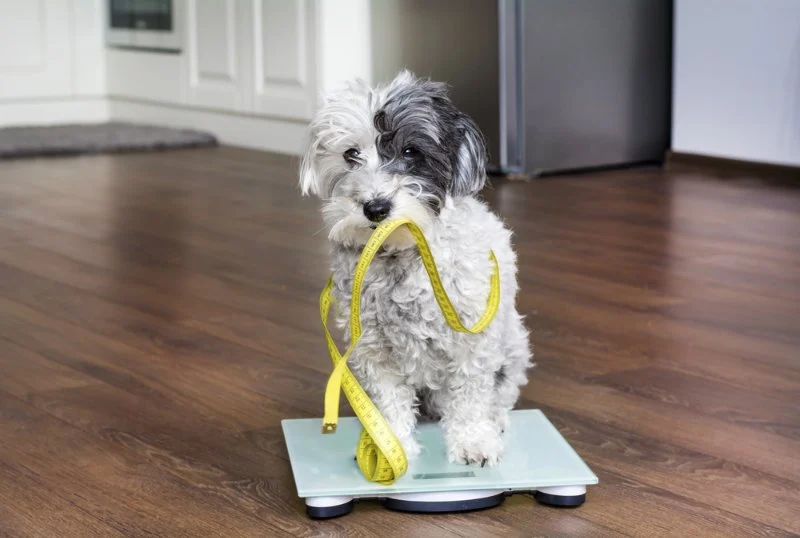
UK Pet Owner’s Guide to Weight Management for Dogs
As a pet owner in the UK, ensuring your dog maintains a healthy weight is vital for their overall wellbeing. With increasing awareness about pet health, weight management is a key focus for many dog owners. Obesity in dogs is a growing concern, and this guide will help you understand how to manage your dog's weight effectively. Whether your dog is overweight or you're simply looking to prevent future weight issues, the steps you take now can improve their quality of life for years to come.

Donaldson's Vets Ltd
Shepley Surgery, Abbey Rd, Shepley, Huddersfield HD8 8EP, UK
1. Why Weight Management Is Crucial for Dogs
Maintaining a healthy weight is important for your dog’s overall health. Obesity can lead to a variety of health issues, such as heart disease, diabetes, arthritis, and a reduced lifespan. According to the PDSA (People's Dispensary for Sick Animals) in the UK, around 50% of dogs are overweight or obese, which means that managing their weight is more important than ever.

1.1 Dangers of Obesity
Obesity puts extra strain on your dog’s joints and organs, leading to chronic conditions that can shorten their lifespan. For example, overweight dogs are more likely to suffer from joint pain, including hip dysplasia, and are at a higher risk of developing respiratory issues due to excess weight.
1.2 Healthier Dog, Healthier Life
By managing your dog’s weight, you can prevent or alleviate many of these health problems. A well-balanced diet combined with regular exercise can help your dog live a longer, happier life. It also ensures they remain energetic and playful well into their senior years.
2. How to Assess Your Dog’s Weight
Before beginning a weight management plan, it’s important to assess your dog’s current weight. There are several ways to do this, from checking their body condition score to consulting your vet for professional guidance. Here are the key methods to assess your dog’s weight:
2.1 Body Condition Score (BCS)
The Body Condition Score (BCS) is a scale that vets use to assess whether a dog is at a healthy weight. The scale ranges from 1 to 9, with 1 being extremely underweight and 9 being obese. A score of 5 is ideal for most dogs, indicating a healthy body condition.
2.2 Visual Checks
Another simple method is to perform a visual check of your dog. Look at their profile from the side and from above. You should be able to see a slight tuck in the abdomen and a waistline that’s narrower than the chest. If your dog’s belly sags or they appear round from all angles, they may be overweight.
3. Effective Weight Management Strategies
Once you've assessed your dog’s weight, the next step is to implement a weight management plan. The following strategies will help you keep your dog’s weight in check:
3.1 Proper Diet and Nutrition
Choosing the right food is essential for weight management. Look for high-quality dog food that’s appropriate for your dog’s age, size, and activity level. You can also consult your vet to determine the right portion sizes and feeding frequency. Avoid overfeeding treats or table scraps, as these can add unnecessary calories.
3.2 Regular Exercise
Exercise plays a significant role in keeping your dog fit and healthy. Regular walks, playtime, and activities like fetch or agility training can help your dog burn calories and maintain muscle mass. Make sure to adjust the intensity of exercise based on your dog’s fitness level and health status.
3.3 Portion Control
Measuring your dog’s food can help prevent overeating. Consider using a feeding guide to determine the correct portion size based on your dog’s weight and activity level. It’s easy to misjudge how much your dog is eating, especially if they are always eager for more food, so portion control is a key aspect of effective weight management.
4. Common Mistakes in Weight Management
Many dog owners unknowingly make mistakes that can hinder their dog’s weight loss progress. Here are some common errors to avoid:
4.1 Overfeeding
Overfeeding is one of the most common mistakes. It’s easy to give your dog too much food, especially when they give you those irresistible puppy eyes. However, even small extra portions add up and can lead to weight gain over time.
4.2 Lack of Consistency
Consistency is key when managing your dog’s weight. Skipping meals, offering too many treats, or not sticking to a regular exercise routine can derail your dog’s weight management plan. Make sure to stick to a routine and be patient with the process.
5. Case Study: A Success Story
Let’s take a look at the success story of Bella, a Labrador Retriever from London who struggled with obesity. Bella's owners were concerned about her weight, as she was showing signs of arthritis and sluggishness. After consulting with their vet, they put Bella on a carefully balanced diet and started a daily walking routine. Within six months, Bella had lost 4 kilograms and was much more active. Her owners noticed a significant improvement in her mood and mobility.
This case demonstrates the importance of professional guidance, patience, and commitment to weight management. Bella’s story shows that with the right plan, it’s possible to help your dog reach a healthy weight and enjoy a more active, pain-free life.
For more tips, food recommendations, and health products to support your dog's weight management, visit RegPets for the best options.





 The S pet4.0 (4 reviews)
 Vet Dentist4.0 (129 reviews)
 Confident Canines Kitchen0.0 (0 reviews)
 Riverview Reptiles4.0 (118 reviews)
 Cotgrave Cattery5.0 (38 reviews)
 Maidenhead Aquatics Beverley4.0 (251 reviews)
 The Role of Regular Blood Tests in Monitoring Pet Health
 What to Expect During Your Pet’s First Vet Visit: A Comprehensive Guide
 UK Pet Owner’s Guide to Exercise and Fitness for Fish
 How to Handle Emergency Situations with Your Pet – Essential Tips & Advice
 Top 10 Puppy and Kitten Care Tips Every Dog Owner in the UK Should Know
 Top 10 Signs Your Pet Needs to See a Vet Immediately