
- why-blood-tests-are-essential-for-uk-pet-health
- understanding-what-blood-tests-can-detect
- how-often-should-you-get-a-pet-blood-test
- early-detection-can-save-lives
- what-happens-during-a-pet-blood-test
- real-life-case-of-early-diagnosis-in-the-uk
- regpets-support-for-preventive-healthcare
1. Why Blood Tests Are Essential for UK Pet Health
In the UK, regular veterinary checkups are becoming increasingly common, and blood tests are a cornerstone of proactive pet healthcare. These tests can reveal underlying issues before symptoms emerge—giving owners time to act early. With advances in veterinary diagnostics, blood work is now a standard part of health screening, especially for ageing pets or those with chronic conditions.

2. Understanding What Blood Tests Can Detect
Routine blood tests can uncover a wide range of health issues: kidney or liver disease, diabetes, hormonal imbalances, infections, and even certain cancers. A complete blood count (CBC) shows immune system status and oxygen-carrying capacity, while biochemistry panels evaluate organ function. In cases where pets appear healthy, this data still establishes a baseline for future reference.

Next Level Dog Food
Shireoaks Hill Bungalow, Farm Creswell Rd, Cuckney, Mansfield NG20 9NW, UK
3. How Often Should You Get a Pet Blood Test?
Most UK vets recommend annual blood screenings for adult pets. For senior animals (7+ years for dogs, 10+ for cats), tests every 6 months are ideal. Pets with diagnosed conditions or on medication may require more frequent monitoring. Preventive testing helps avoid health surprises and ensures any changes are caught early, often saving both time and money in long-term care.
4. Early Detection Can Save Lives
One of the most compelling reasons to invest in regular blood work is early detection. A seemingly normal dog could be quietly developing kidney disease that only becomes apparent once 70% of kidney function is lost. Similarly, cats often mask pain or illness—blood tests cut through the guesswork. Acting early improves treatment outcomes and quality of life.
5. What Happens During a Pet Blood Test?
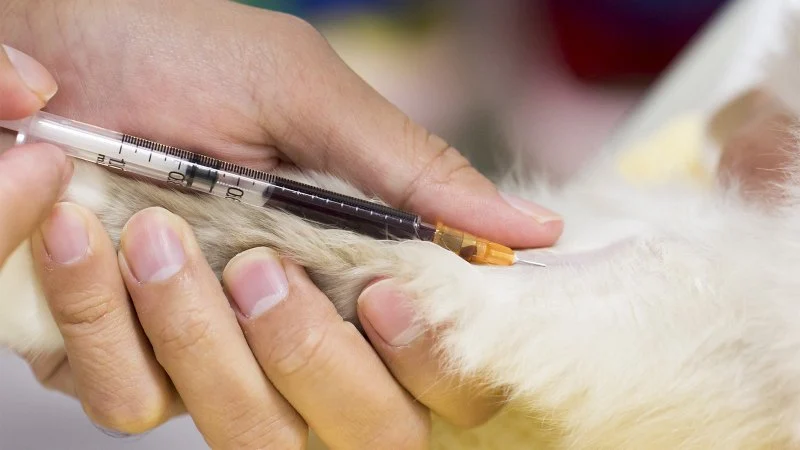
Most blood draws are quick and minimally stressful. Vets typically collect blood from a leg or neck vein using a sterile needle, and the process usually takes just a few minutes. Results are often available within 24–72 hours. Some clinics offer same-day in-house testing. Your vet will explain the results and recommend next steps if anything unusual is found.
6. Real-Life Case of Early Diagnosis in the UK
In 2023, a couple in Bristol took their 8-year-old terrier for a routine checkup, including blood work. Though their dog appeared healthy, the results indicated early-stage hypothyroidism. With simple daily medication, their dog returned to full energy within weeks. Without that test, the condition could have silently progressed for years.
7. RegPets Support for Preventive Healthcare
At RegPets, we believe prevention is better than cure. That’s why we support pet owners in accessing trusted vet clinics, preventive care services, and wellness products. Whether you're planning your pet’s next annual screen or seeking support for a specific condition, RegPets offers the right connections, advice, and supplies to keep your pet thriving across all life stages.




 Kingston Veterinary Group3.0 (183 reviews)
 Pendragon Vets Ltd4.0 (121 reviews)
 Heath Veterinary Group4.0 (213 reviews)
 Cowbridge Road Veterinary Centre4.0 (121 reviews)
 Doncaster Aquatics (D&B)5.0 (8 reviews)
 Willow Tree Cattery5.0 (63 reviews)
 Common Illnesses Explained: Keeping Your Cats Healthy in the UK
 Top 10 Signs Your Pet Needs to See a Vet Immediately
 Essential Tips for Caring for Senior Pets in the UK
 Pet Dental Care in the UK: Why Regular Vet Visits Matter for Your Pet’s Health
 Managing Pet Anxiety and Stress: Expert Vet Advice
 Emergency Vet Advice for Dogs in the UK – Essential for Pet Health