
1-Why Preventive Care is Crucial for Your Rabbit’s Health
As a rabbit owner, it's essential to understand that preventive care plays a key role in keeping your pet healthy and happy. Rabbits, like any other pet, can be prone to various health issues, many of which can be avoided or minimized with the right care. Preventive care includes a range of practices such as proper diet, regular vet visits, vaccinations, and grooming. In this article, we’ll explore the top 10 preventive care tips every rabbit owner in the UK should know to ensure their furry friend stays in tip-top shape.

2-The Importance of a Balanced Diet
A proper diet is the foundation of any rabbit's health. Rabbits are herbivores, and their digestive systems are specifically designed to process fiber-rich foods. Providing the right diet not only keeps them physically healthy but also helps prevent obesity and other diet-related health issues. Here are some key points to consider when feeding your rabbit:

2.1-High-Quality Hay
Hay should make up the majority of your rabbit’s diet. It’s packed with fiber, which is essential for digestive health and dental care. Make sure to provide unlimited amounts of fresh hay, such as timothy hay, to keep your rabbit’s digestive system working properly.
2.2-Fresh Vegetables and Greens
In addition to hay, fresh vegetables and greens are important for providing essential vitamins and nutrients. Some safe options include leafy greens such as spinach, kale, and parsley. Avoid feeding rabbits starchy vegetables like potatoes or sugary fruits in excess, as they can lead to health issues.
2.3-Quality Pellets
Rabbit pellets can be a good supplement to your rabbit’s diet, but they should be given in moderation. Look for pellets that are high in fiber and low in fat and sugar. Avoid pellets that contain seeds, nuts, or dried fruits, as these can lead to obesity and digestive problems.
3-Regular Veterinary Check-ups
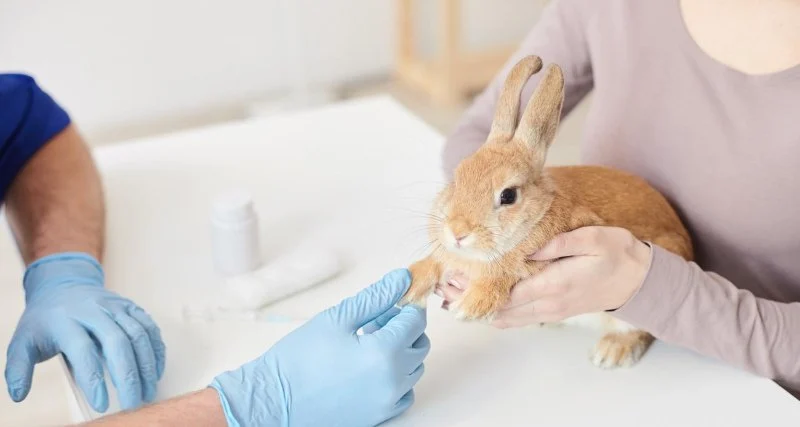
Even if your rabbit seems healthy, regular vet visits are essential for preventive care. Annual check-ups help detect any underlying health issues that may not be immediately visible. Your vet will also check for common health problems such as dental issues, parasites, and heart conditions.
3.1-Dental Health
Rabbits' teeth grow continuously, so regular dental check-ups are important to prevent overgrown teeth, which can cause pain and difficulty eating. A vet can trim your rabbit’s teeth if necessary and provide guidance on how to prevent dental issues through diet and chew toys.
3.2-Vaccinations
Rabbits in the UK need to be vaccinated against diseases like Rabbit Haemorrhagic Disease (RHD) and Myxomatosis. These deadly diseases can be prevented with timely vaccinations, so be sure to consult your vet about the vaccination schedule for your rabbit.
4-Grooming for Health
Regular grooming is another vital aspect of preventive care for rabbits. Not only does it keep them looking good, but it also helps with their health. Here’s what you need to know:
4.1-Regular Brushing
Rabbits can be prone to matting, especially those with long fur. Regular brushing helps prevent matting and reduces shedding. It also provides an opportunity to check for signs of skin irritation, parasites, or injuries. If your rabbit is a long-haired breed, daily brushing may be necessary.
4.2-Nail Trimming
Rabbits’ nails grow continuously and need to be trimmed regularly to prevent overgrowth. If you’re unsure how to trim your rabbit’s nails, consult your vet or an experienced groomer for advice.
5-Exercise and Enrichment
Exercise is essential for keeping your rabbit healthy and happy. Rabbits are active animals and need plenty of space to run, jump, and explore. Providing your rabbit with a safe and stimulating environment is key to their physical and mental well-being.
5.1-Exercise Areas
Allow your rabbit to have a designated play area where they can hop around freely. If you don’t have access to an outdoor space, consider setting up a playpen indoors where your rabbit can roam safely.
5.2-Interactive Toys
Rabbits love to chew, dig, and explore. Providing a variety of safe toys—such as cardboard tubes, wooden chew toys, and tunnels—will help keep your rabbit engaged and mentally stimulated. These activities also help prevent boredom and destructive behavior.
6-Preventing Parasites
Parasites, such as fleas, mites, and worms, can affect rabbits just like other pets. Regular checks and preventive treatments are crucial to ensure your rabbit stays parasite-free.
6.1-Regular Checks
Check your rabbit for signs of fleas, mites, or other parasites, especially around their ears, eyes, and under their fur. If you suspect your rabbit has parasites, contact your vet for advice on treatment.
6.2-Parasite Control
Ask your vet about appropriate treatments for parasite control. Regular treatments, such as flea and worming medications, can help prevent infestations and keep your rabbit healthy.
7-The Importance of Proper Housing
Providing your rabbit with a comfortable and safe living space is essential for their well-being. Their home should be large enough for them to move around freely, with access to fresh water, food, and clean bedding.
7.1-Cage Size
A rabbit’s cage should be spacious enough for them to stand up, stretch out, and hop around. If you plan on keeping your rabbit in a cage for extended periods, consider a rabbit playpen or large indoor area to allow for more movement.
7.2-Clean Bedding
Clean bedding is essential for preventing health issues like respiratory infections and skin problems. Choose bedding made from safe materials, such as paper-based or hay bedding, and clean it regularly to keep your rabbit’s environment sanitary.
8-Case Study: How Proper Preventive Care Transformed Bella’s Life
Take the case of Bella, a rabbit who was adopted by her owner after being rescued from a shelter. Initially, Bella was prone to health issues like hairballs and occasional digestive discomfort. After implementing a proper diet, regular grooming, and routine vet visits, Bella’s health improved significantly. Her owner also ensured that she had plenty of space to exercise and the right preventive treatments. Today, Bella is a happy, healthy rabbit who enjoys her active lifestyle, proving how important preventive care is in maintaining long-term health.
9-Where to Find the Best Products for Rabbit Care
If you're looking for the best products to ensure your rabbit’s health and happiness, check out RegPets for high-quality rabbit care products. From nutritious food to grooming tools and housing options, we offer everything you need to provide the best care for your rabbit. Shop now for the best deals!




 Rawsome Dog Treats0.0 (0 reviews)
 Animates Veterinary Clinic4.0 (450 reviews)
 Pet Foods Plus4.0 (29 reviews)
 Gateshead PDSA Pet Hospital4.0 (1383 reviews)
 TARANTULA ROOM LIMITED4.0 (9 reviews)
 Pets Pantry4.0 (28 reviews)
 Expert Vet Advice on Travel Safety for Exotic Pets
 Top 10 Preventive Care Every Rabbit Owner in the UK Should Know
 Flea and Tick Prevention for Pets in the UK
 Best Practices for Mental Health in Exotic Pets: Expert Tips
 Expert Vet Advice on Preventive Care for Cats: Keep Your Cat Healthy
 How Often Should You Take Your Pet for a Health Checkup?