
- Why Adopt a Guinea Pig?
- Preparing Your Home for a Guinea Pig
- Caring for Your Adopted Guinea Pig
- Common Challenges in Adopting Guinea Pigs
1. Why Adopt a Guinea Pig?
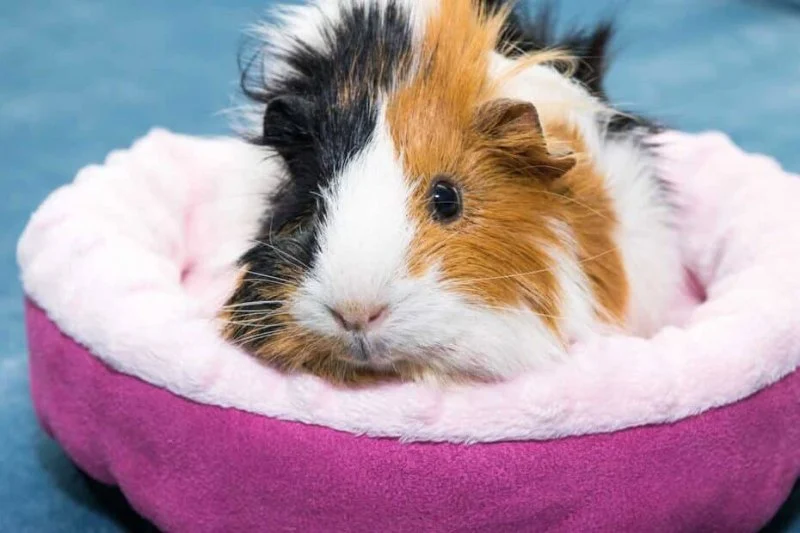
Guinea pigs make fantastic pets for both first-time pet owners and experienced animal lovers alike. Their gentle, social nature and relatively easy care requirements make them ideal companions. Adopting a guinea pig not only provides a loving home for a small animal in need, but it also offers you the joy of caring for an intelligent and affectionate pet.

The Benefits of Adopting a Guinea Pig
- Low Maintenance: Guinea pigs are low-maintenance pets that don't require extensive grooming or complicated care routines.
- Gentle Nature: Known for their calm and friendly disposition, guinea pigs are particularly good for children and families.
- Social Animals: Guinea pigs thrive on companionship and love spending time with their human family members or other guinea pigs.
- Great for Small Spaces: Guinea pigs don't need a large living space, making them ideal pets for apartments or small homes.
Choosing to adopt a guinea pig is not just about having a pet; it's about giving a loving animal a chance to live a fulfilling life. Before you adopt, it's important to understand their needs and create an environment that ensures their well-being.
Lisnafillan Farm Vets
GracehillMid and East AntrimNorthern Ireland
11 Lisnafillan Lane, Gracehill, Ballymena BT42 1HR, UK
2. Preparing Your Home for a Guinea Pig
Once you've decided to adopt a guinea pig, it's essential to set up a comfortable and safe space for them in your home. Proper preparation will make the transition smoother for your new pet and help ensure their health and happiness.
Setting Up the Ideal Living Space
- Choose the Right Cage: Guinea pigs need plenty of room to move around. A spacious cage, ideally at least 120cm long, is necessary. Make sure the cage has solid flooring, as wire floors can cause injury to their sensitive feet.
- Location: Place the cage in a quiet, safe area away from direct sunlight or extreme temperatures. Guinea pigs do best in moderate temperatures, ideally between 18-24°C (65-75°F).
- Bedding and Comfort: Use soft bedding such as fleece or paper-based bedding. Avoid cedar or pine shavings, as these can be harmful to guinea pigs' respiratory systems.
Providing Fresh Food and Water
- Fresh Hay: A constant supply of fresh hay is crucial to your guinea pig’s diet, as it helps with digestion and keeps their teeth healthy.
- Fresh Vegetables: Guinea pigs need a variety of fresh vegetables daily, such as leafy greens like romaine lettuce, spinach, and herbs.
- Water Bottle: Always provide fresh water in a clean bottle or dish. Make sure the water is changed daily to keep it clean and safe for drinking.
By preparing your home with the right environment and food options, you ensure your guinea pig will feel comfortable and safe from the moment they arrive.
3. Caring for Your Adopted Guinea Pig
Caring for a guinea pig involves providing proper food, regular cleaning, and mental stimulation. Guinea pigs are social animals that thrive on interaction with their owners, so creating a strong bond with your new pet is essential for their happiness.
Socializing and Bonding
Guinea pigs enjoy companionship and should ideally be kept with other guinea pigs. If you're adopting a single guinea pig, spend quality time with them each day to ensure they feel loved and secure. Talking to them, offering treats, and letting them explore safely outside their cage will help them become more comfortable with you.
Regular Grooming
While guinea pigs are relatively low-maintenance in terms of grooming, they still need occasional brushing to keep their coat clean and free from mats. Long-haired guinea pigs will require more frequent brushing to prevent tangles.
Health Monitoring
Regularly monitor your guinea pig's health. Look out for signs of illness, such as lethargy, changes in eating or drinking habits, or abnormal stools. If you notice any concerning symptoms, contact your vet immediately. Guinea pigs should also have their teeth checked regularly, as their teeth grow continuously throughout their life.
4. Common Challenges in Adopting Guinea Pigs
Adopting a guinea pig comes with its own set of challenges, and it's important to be prepared for potential obstacles. Here are a few of the common challenges and how to overcome them:
Space and Time Commitment
While guinea pigs don't need a large space, they do require time and attention. Regular cleaning of their cage, ensuring they have fresh food and water, and spending time with them every day are all important responsibilities. If you're unable to commit the necessary time, adopting a guinea pig might not be the right choice.
Introduction to Other Pets
If you already have other pets, introducing a guinea pig to the household can be challenging. Guinea pigs should never be housed with cats or dogs unsupervised, as they are prey animals. If you're introducing a guinea pig to other guinea pigs, gradual introductions and proper supervision are essential for ensuring a peaceful cohabitation.
Health Care Costs
Like any pet, guinea pigs require veterinary care. It's important to budget for regular check-ups, vaccinations, and any unexpected medical expenses. Having access to a vet who is familiar with guinea pig care is crucial to their long-term health.
By understanding the responsibilities of guinea pig adoption and preparing for potential challenges, you can provide a loving and comfortable home for your new pet. For more expert tips and to find the best products for your guinea pig, visit RegPets for a wide range of pet care products and services.


 Moorview Vets4.0 (95 reviews)
 Absolutely Purrfect Cattery4.0 (76 reviews)
 Equine Reproductive Services (UK) Ltd4.0 (11 reviews)
 Westway Veterinary Group, Darlington4.0 (107 reviews)
 Purrfect Cattery4.0 (32 reviews)
 Robinson's Pet Store4.0 (95 reviews)
 Expert Vet Advice on Preventive Care for Cats
 The Importance of Skin and Coat Care for Senior Pets in the UK
 UK Pet Owner’s Guide to Health Checkups for Puppies
 Best Practices for Travel Safety in Puppies: Expert Tips for Safe Journeys
 Flea and Tick Prevention for Pets in the UK
 Nutrition Tips for Reptiles: What UK Pet Owners Need to Know