
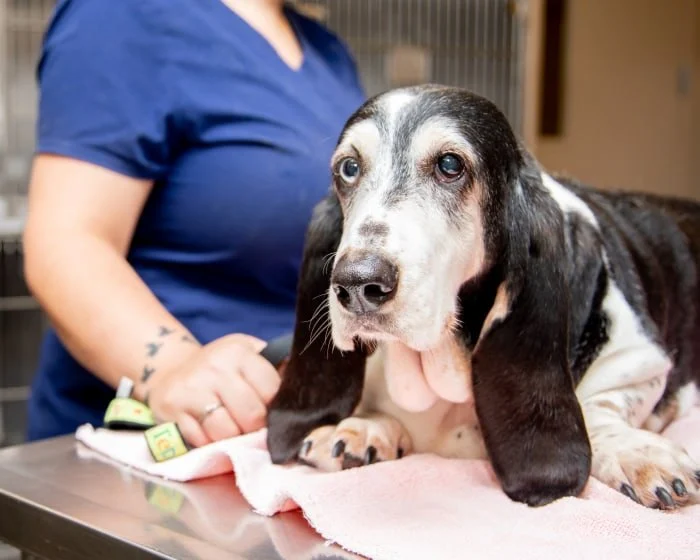
1. The Importance of Monitoring Senior Pet Health
As pets age, they face a variety of health challenges that are different from those of younger animals. Just like humans, senior pets need extra care and attention to maintain their well-being. Regular vet check-ups, balanced diets, and early detection of illnesses are crucial to ensuring a long, comfortable life for older pets. In this article, we’ll explore some common illnesses in senior pets that vets frequently treat and provide helpful tips on managing these conditions.

2. Common Illnesses in Senior Pets
Senior pets, particularly cats and dogs, are prone to a range of age-related conditions. Some illnesses are more prevalent in certain breeds, while others affect pets universally. Recognising these signs early can make a significant difference in treatment outcomes. Here are some of the most common conditions senior pets experience:

2.1 Arthritis and Joint Pain
Arthritis is one of the most common conditions in senior pets, particularly in dogs. It is often caused by the wear and tear of cartilage in the joints over time. Symptoms of arthritis can include limping, difficulty standing or walking, and reluctance to jump or climb stairs. If left untreated, it can severely impact your pet’s quality of life.
Managing arthritis involves a combination of pain relief medication, weight management, and joint supplements such as glucosamine. Regular low-impact exercise, like short walks or swimming, can also help maintain mobility and prevent further joint deterioration.
2.2 Kidney Disease
Kidney disease is a common ailment in aging cats and dogs. The kidneys are responsible for filtering waste products from the bloodstream, and as pets age, these organs can become less effective. Symptoms of kidney disease in senior pets include excessive thirst, frequent urination, weight loss, and a decrease in appetite.
Fortunately, with early detection, kidney disease can be managed with special diets, medication, and fluids to help the kidneys function better. It’s essential to schedule regular vet visits to monitor kidney function and adjust treatment plans accordingly.
2.3 Dental Disease
Dental disease is often overlooked, but it’s a common issue in senior pets. Plaque and tartar buildup can lead to gum disease, tooth loss, and even infections that affect other organs like the heart and kidneys. Symptoms of dental problems include bad breath, difficulty eating, and drooling.
Routine dental check-ups and cleaning are essential in preventing dental disease. Regular brushing of your pet’s teeth and providing chew toys can also help maintain good oral hygiene. If your pet shows signs of dental discomfort, seek prompt veterinary care.
2.4 Heart Disease
Heart disease is another common concern for older pets, especially dogs. As pets age, the heart can become weaker, leading to conditions like heart murmur or congestive heart failure. Symptoms of heart disease include coughing, difficulty breathing, fatigue, and a decrease in exercise tolerance.
Early diagnosis and treatment are key to managing heart disease in pets. Medications, a controlled diet, and avoiding strenuous activity can help manage the condition and improve your pet’s quality of life.
2.5 Diabetes
Just like in humans, diabetes is becoming increasingly common in senior pets. The symptoms include excessive thirst, increased urination, and weight loss. Pets with diabetes often need daily insulin injections, a special diet, and regular blood sugar monitoring.
Diabetes can be managed with proper treatment, and many pets with the condition can lead happy, active lives. Regular vet visits are essential for monitoring glucose levels and adjusting insulin doses.
3. How to Spot Health Issues in Senior Pets
As a pet parent, it’s crucial to keep an eye out for any changes in your senior pet’s behavior or physical appearance. Regularly monitoring their weight, eating habits, energy levels, and mobility can help you spot health issues early on. Here are a few key signs to watch for:
3.1 Changes in Appetite or Thirst
Increased thirst or a sudden change in appetite can indicate underlying health issues such as kidney disease or diabetes. If your pet starts drinking more water than usual or refuses food, it’s time to consult your vet.
3.2 Decreased Activity or Mobility
Pets that start showing signs of lethargy or difficulty with movement may be suffering from arthritis, joint pain, or muscle weakness. Keep track of your pet’s activity levels and note any changes that might suggest discomfort or pain.
3.3 Behavioral Changes
Senior pets may become more irritable, anxious, or withdrawn due to health problems or cognitive dysfunction. If your pet’s behavior changes significantly, it could be a sign of an underlying issue that needs veterinary attention.
4. How to Support Your Senior Pet’s Health
Aside from addressing specific health issues, there are several proactive steps you can take to support your senior pet’s overall health:
4.1 Regular Vet Check-Ups
As your pet ages, it’s important to schedule regular check-ups with your vet to catch any health problems early. Annual exams may be recommended for younger pets, but senior pets should be seen more frequently to monitor their health status. Regular blood tests and screenings can help detect issues like kidney disease or diabetes before they become severe.
4.2 Proper Diet and Nutrition
Nutrition plays a significant role in maintaining a senior pet’s health. Senior pets may require a special diet that supports their changing nutritional needs, including lower calorie content, higher fiber, and joint-supporting nutrients. Consult your vet for recommendations on the best food for your pet’s age, breed, and health conditions.
4.3 Exercise and Mental Stimulation
Keeping your senior pet active is essential for maintaining their health and mental well-being. Adjust the level of physical activity based on their abilities, but regular exercise is important for muscle tone, joint mobility, and mental stimulation. Consider incorporating puzzle toys or gentle walks to keep your pet mentally engaged.
5. Vet-Approved Resources for Senior Pet Care
When it comes to senior pet care, finding the right resources and products can make a big difference. At RegPets, we offer a variety of health products, supplements, and expert advice to help keep your senior pet healthy and happy. From joint care supplements to specialized diets, we provide the tools you need to support your pet through their golden years.
6. Conclusion: Caring for Your Senior Pet
Senior pets require special attention and care to ensure they remain comfortable and healthy as they age. By recognizing common illnesses, monitoring their health regularly, and providing appropriate treatment, you can help your furry companion live a long and fulfilling life. With the right training, nutrition, and vet-approved treatments, your senior pet can continue to enjoy their later years with comfort and joy.




 Pets at Home Washington4.0 (478 reviews)
 Haven Veterinary Group, Hull4.0 (158 reviews)
 Yarwell Veterinary Surgery4.0 (17 reviews)
 Pet Domain Armagh4.0 (15 reviews)
 Jollyes - The Pet People Selby4.0 (523 reviews)
 Appleby pet shop5.0 (3 reviews)
 Complete Guide to First Aid Tips for Dogs
 Vet-Approved Skin and Coat Care for Kittens
 Dealing with Anxiety and Stress in Pets: Vet Advice
 How to Manage Your Pet’s Anxiety and Stress: Vet Advice for UK Pet Owners
 Best Practices for Allergy Care in Guinea Pigs: Tips for a Healthy Pet
 Complete Guide to First Aid Tips for Cats: Essential Care for Your Feline