
- 1 - Understanding Hamster Behaviour
- 2 - Preparing for Behaviour Training
- 3 - Using Positive Reinforcement Effectively
- 4 - Step-by-Step Training Techniques
- 5 - Real-Life Examples and Success Stories
1 - Understanding Hamster Behaviour
Before beginning behaviour training, it’s essential to understand how hamsters naturally behave. Hamsters are crepuscular, meaning they are most active during dawn and dusk. Recognising their natural instincts, such as burrowing, chewing, and exploring, helps tailor training methods effectively.

1.1 Common Behaviour Patterns
Hamsters may exhibit territorial behaviour, nibble fingers out of curiosity, or hoard food. By observing these patterns, owners can anticipate challenges and choose suitable training approaches.

Bishopton Veterinary Group Easingwold
EasingwoldNorth YorkshireEngland
Toft Lodge, Raskelf Rd, Easingwold, York YO61 3LA, UK
1.2 Age and Species Differences
Syrian hamsters are larger and generally easier to train than dwarf varieties, which may be more skittish. Younger hamsters often adapt faster to new routines, but older hamsters can also learn with patience and consistency.
2 - Preparing for Behaviour Training
Proper preparation ensures a smooth training experience and builds trust between the hamster and owner.
2.1 Safe Environment Setup
Provide a quiet and secure space where distractions are minimal. Avoid placing the hamster’s cage in high-traffic areas to prevent stress during training sessions.
2.2 Selecting Rewards
Healthy treats like small pieces of carrot, apple, or hamster-specific snacks motivate behaviour without harming their health. Consistent rewards reinforce positive actions effectively.
2.3 Timing and Duration
Short, frequent training sessions of 5–10 minutes work best. Hamsters have short attention spans, and overlong sessions can cause stress and reduce learning efficiency.
3 - Using Positive Reinforcement Effectively
Positive reinforcement is the cornerstone of hamster training. This approach rewards desirable behaviours, encouraging repetition.
3.1 Treat-Based Motivation
Provide small treats immediately after a correct behaviour. For example, if a hamster successfully climbs onto your hand, reward it instantly to associate the action with a positive outcome.
3.2 Verbal and Gentle Cues
Pair treats with a calm verbal cue or soft click to signal approval. Over time, the hamster will respond to the cue even without a treat, strengthening behavioural learning.
4 - Step-by-Step Training Techniques
Training hamsters involves gradual and consistent steps that respect their pace and natural behaviours.
4.1 Hand-Taming
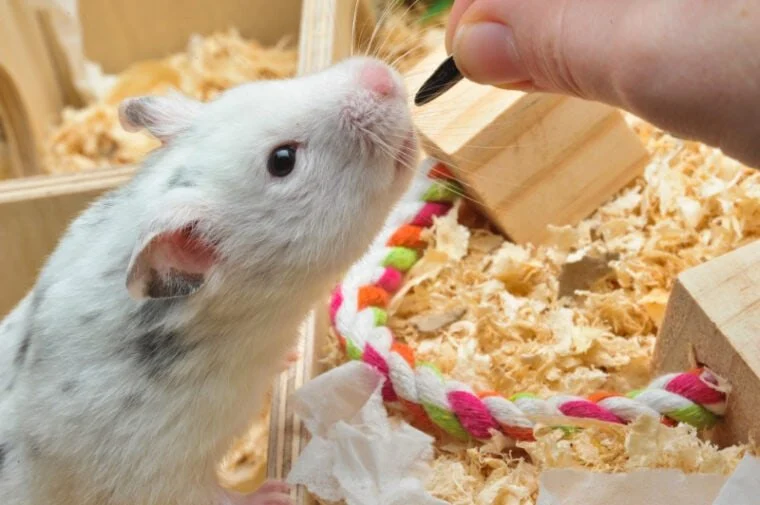
Start by offering treats from your hand through the cage bars. Gradually allow the hamster to explore your palm, building trust without forcing interaction.
4.2 Teaching Simple Tricks
Once comfortable, teach actions such as climbing onto a hand, running through tunnels, or spinning on a wheel on command. Break tasks into small steps and reward each successful attempt.
4.3 Correcting Undesirable Behaviours
Redirect chewing from fingers to safe toys. Avoid punishment; instead, use gentle redirection and rewards for appropriate actions to maintain trust.
5 - Real-Life Examples and Success Stories
A pet owner in London shared how her Syrian hamster, initially very shy, learned to climb onto her hand within two weeks using small treats and calm verbal cues. Regular, short sessions helped the hamster become confident and interactive.
Another story from Manchester involved a dwarf hamster that resisted handling. By introducing enrichment toys and gradually rewarding exploration outside the cage, the hamster became more sociable and responsive to training cues. Such stories show that patience and consistent positive reinforcement are key to success.
For tools, treats, and training accessories that support effective hamster behaviour training, RegPets provides a curated selection of high-quality products to make training enjoyable and safe.





 Sandtoft Cattery5.0 (11 reviews)
 Tailermade5.0 (7 reviews)
 Rase Veterinary Centre - Boston4.0 (43 reviews)
 Aderyn Cat Resort5.0 (33 reviews)
 Pet Foods Plus4.0 (29 reviews)
 Eastfield Veterinary Clinic, Cleethorpes4.0 (100 reviews)
 Essential Tips for Caring for Senior Pets
 Vet-Approved Spaying and Neutering for Senior Pets
 The Importance of Common Illnesses for Guinea Pigs – UK Edition | RegPets
 How to Improve Cats Health Checkups at Home
 How to Spot Signs of Arthritis in Older Pets: A Complete Guide
 Vet-Approved Parasite Prevention for Kittens: Essential Tips for Pet Owners