
- -how-to-prevent-your-dog-from-drinking-toilet-water-behavioural-modification-guide
- -why-dogs-are-attracted-to-toilet-water-and-what-it-means
- -behavioral-modification-techniques-to-stop-bad-dog-habits
- -how-to-reshape-routine-and-environment-for-better-dog-behavior
- -real-dog-owner-stories-and-common-household-scenarios
- -training-strategies-that-help-reinforce-positive-behavior
- -mistakes-owners-make-when-trying-to-stop-toilet-water-drinking
- -how-to-maintain-long-term-hygiene-and-bathroom-safety-for-dogs
- -modern-pet-training-insights-and-professional-advice
Understanding How to Prevent Your Dog from Drinking Toilet Water Through Behavioural Change
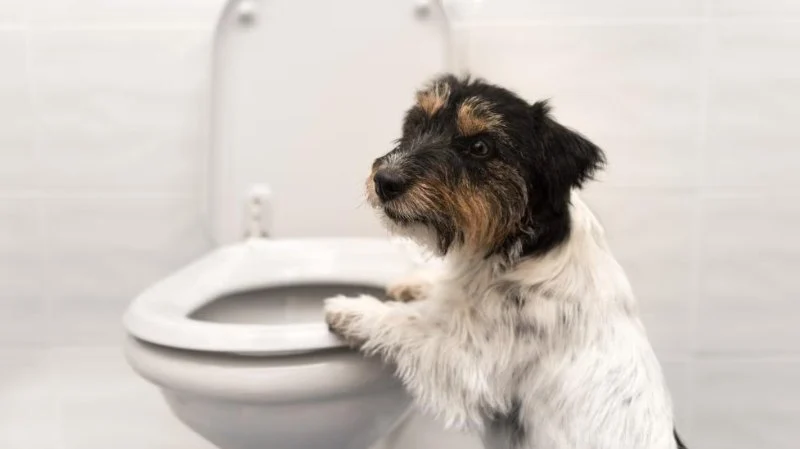
Learning how to prevent your dog from drinking toilet water is not just about stopping a gross habit—it is about understanding canine behavior, environmental triggers, and consistent training. Dogs are naturally curious, and what seems unpleasant to humans can sometimes feel interesting or accessible to them.
Many pet owners are surprised the first time they catch their dog drinking from the toilet. It often happens quietly, especially when the bathroom door is left open. While it may seem like a harmless quirk, toilet water can contain bacteria, cleaning chemicals, and other contaminants that are unsafe for pets.
The good news is that this behavior is highly modifiable. With the right behavioural techniques, environmental adjustments, and consistent reinforcement, dogs can completely lose interest in this habit.
For pet owners looking for structured training guidance and behaviour-based pet solutions, platforms like :contentReference[oaicite:0]{index=0} offer helpful insights into improving everyday dog habits and building healthier routines.

Why Dogs Are Attracted to Toilet Water in the First Place
To understand how to correct the behavior, it is important to understand why it happens. Dogs are driven by curiosity, scent, and accessibility rather than hygiene standards.
Toilet water is often cooler than regular water and may contain traces of minerals or residues that create a slightly different taste. For some dogs, especially those that are bored or under-stimulated, the bathroom becomes an area of exploration.
Another factor is routine reinforcement. If a dog once drinks from the toilet without consequences or interruption, the behavior can become habitual.
Understanding this motivation is the first step in behavioural modification. Without addressing the cause, simply punishing the behavior will not solve the issue long term.

The Veterinary Health Centre Ltd
Lytham St AnnesLancashireEngland
4 Greenways, Lytham St Annes, Lytham Saint Annes FY8 3LY, UK
Behavioural Modification Techniques That Actually Work
Behavioural modification focuses on replacing unwanted habits with positive alternatives. In the case of toilet water drinking, the goal is not just to stop the action but to redirect attention.
One effective method is controlled access. Keeping bathroom doors closed or using child-proof latches removes the opportunity for the behavior to occur in the first place.
Another important strategy is redirection training. When a dog approaches the bathroom, calmly redirect them to their water bowl or a designated area.
Consistency is critical. Dogs learn through repetition, and mixed signals can reinforce confusion rather than correction.
How Environment and Routine Shape Your Dog’s Behavior
Dogs respond strongly to environmental cues. If the bathroom is accessible, interesting, and unexplored, it becomes part of their behavioral map.
Changing the environment is often more effective than direct correction. Closing lids, keeping doors shut, and ensuring fresh water is always available reduces temptation.
Routine also plays a major role. Dogs with structured feeding and hydration schedules are less likely to seek alternative water sources.
A well-stimulated dog—through walks, play, and mental enrichment—is far less likely to develop unusual habits like drinking from the toilet.
Real-Life Dog Owner Experiences With This Behavior
In one New York household, a Labrador developed a habit of drinking toilet water during early morning hours. The owners initially assumed it was a hydration issue, but after ensuring constant access to fresh water and closing bathroom doors, the behavior stopped completely within two weeks.
In another case from California, a small terrier only engaged in the behavior when left alone. Trainers discovered it was linked to separation anxiety and boredom rather than thirst. Adding interactive toys and structured alone-time routines eliminated the issue.
A family in Texas reported that their dog only drank toilet water after walks, likely due to excitement and habit reinforcement. Once they introduced post-walk hydration routines, the behavior disappeared.
These stories show that the behavior is rarely random—it is usually linked to environment or routine.
Training Strategies That Reinforce Positive Water Habits
Positive reinforcement is one of the most powerful tools in dog training. Rewarding desired behavior encourages repetition and habit formation.
When your dog drinks from their bowl instead of exploring the bathroom, immediate praise or small rewards help reinforce that choice.
Another effective method is command training. Teaching simple cues like “leave it” or “come here” allows you to interrupt unwanted behavior early.
Over time, these cues become automatic responses, helping you prevent bathroom-related behaviors without stress or confrontation.
Common Mistakes Dog Owners Make During Training
One of the most common mistakes is reacting too late. If correction happens after the behavior, the dog cannot connect the action with the consequence.
Another mistake is inconsistency. Allowing bathroom access sometimes and restricting it at other times confuses the dog and slows behavioral learning.
Some owners also rely too heavily on punishment, which can create anxiety without addressing the root cause of the behavior.
Successful training relies on prevention, redirection, and reinforcement—not punishment alone.
Maintaining Long-Term Bathroom Safety and Hygiene
Even after the behavior is corrected, maintaining safe habits is important. Bathroom doors should remain closed or secured to prevent accidental relapse.
Regular cleaning of water bowls ensures dogs always prefer their designated drinking source.
Monitoring behavior occasionally helps detect early signs of regression, especially during routine changes or household disruptions.
Long-term success depends on consistency more than intensity of training.
Modern Training Insights for Better Behavioral Modification
Modern dog training emphasizes understanding behavior rather than controlling it through force. Dogs learn best through association and repetition.
Professional trainers often recommend combining environmental management with positive reinforcement rather than relying on correction alone.
Technology also plays a role today, with smart feeders and hydration monitors helping owners track pet habits more effectively.
These modern approaches make behavioural modification more sustainable and less stressful for both dogs and owners.
Building a Healthier Routine and Preventing Unwanted Habits
Successfully learning how to prevent your dog from drinking toilet water requires a combination of environmental control, behavioral understanding, and consistent training.
Most importantly, the behavior is not a “bad dog” problem—it is a communication and habit issue that can be reshaped with patience and structure.
By improving routine, limiting access, and reinforcing better choices, owners can eliminate this behavior completely over time.
For additional pet behavior insights, training strategies, and daily care guidance, resources like :contentReference[oaicite:1]{index=1} can help owners build stronger, healthier relationships with their pets.
A well-trained dog is not just obedient—it is confident, balanced, and supported by a structured environment that meets its needs.





 Lincvet4.0 (355 reviews)
 Farmhill Veterinary Clinic4.0 (196 reviews)
 Baildon Veterinary Centre4.0 (267 reviews)
 Vets4Pets - Corby4.0 (323 reviews)
 Vale Raw Store5.0 (62 reviews)
 Sore Paws Veterinary Clinic Winlaton4.0 (279 reviews)
 Preventive Care Explained: Keeping Your Exotic Pets Healthy in the UK
 How to Improve Reptiles' Common Illnesses at Home
 Best Practices for Spaying and Neutering in Hamsters
 Emergency Vet Advice Explained: Keeping Your Cats Healthy in the UK
 How to Spot Signs of Arthritis in Older Pets – UK Pet Owner’s Guide
 The Role of Regular Blood Tests in Monitoring Pet Health in the UK